


- Afhalen na 1 uur in een winkel met voorraad
- Gratis thuislevering in België vanaf € 30
- Ruim aanbod met 7 miljoen producten
- Afhalen na 1 uur in een winkel met voorraad
- Gratis thuislevering in België vanaf € 30
- Ruim aanbod met 7 miljoen producten




Omschrijving
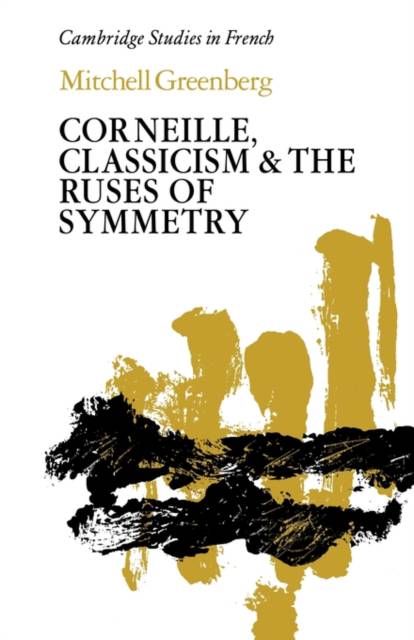
Professor Greenberg's lucid study examines the themes of authority, power and sexuality in Corneille's major plays, drawing on the work of Foucault, and Freudian and feminist critics. He begins by considering the question of myth and of a 'pre-historical' cultural memory in Médée, and proceeds to a detailed analysis of each of the four best-known tragedies: Le Cid, Horace, Cinna, and Polyeucte. A concluding chapter discusses two middle-period plays and Suréna, Corneille's last tragedy. Professor Greenberg argues that the formal symmetries of classical tragedy reflect a desire for control in the realm of both politics and sexuality. He also seeks to show how these principles of symmetry are challenged or undermined in various ways by the plays themselves. The result is an exacerbation of sexual and political desire which invests Cornelian tragedy with its peculiar power and involves us so deeply in its world.
Specificaties
Betrokkenen
- Auteur(s):
- Uitgeverij:
Inhoud
- Aantal bladzijden:
- 208
- Taal:
- Engels
- Reeks:
- Reeksnummer:
- nr. 17
Eigenschappen
- Productcode (EAN):
- 9780521123426
- Verschijningsdatum:
- 19/11/2009
- Uitvoering:
- Paperback
- Formaat:
- Trade paperback (VS)
- Afmetingen:
- 140 mm x 216 mm
- Gewicht:
- 267 g


Alleen bij Standaard Boekhandel
+ 135 punten op je klantenkaart van Standaard Boekhandel
Cadeau

AANGERADEN


Beoordelingen
We publiceren alleen reviews die voldoen aan de voorwaarden voor reviews. Bekijk onze voorwaarden voor reviews.