


- Afhalen na 1 uur in een winkel met voorraad
- Gratis thuislevering in België vanaf € 30
- Ruim aanbod met 7 miljoen producten
- Afhalen na 1 uur in een winkel met voorraad
- Gratis thuislevering in België vanaf € 30
- Ruim aanbod met 7 miljoen producten





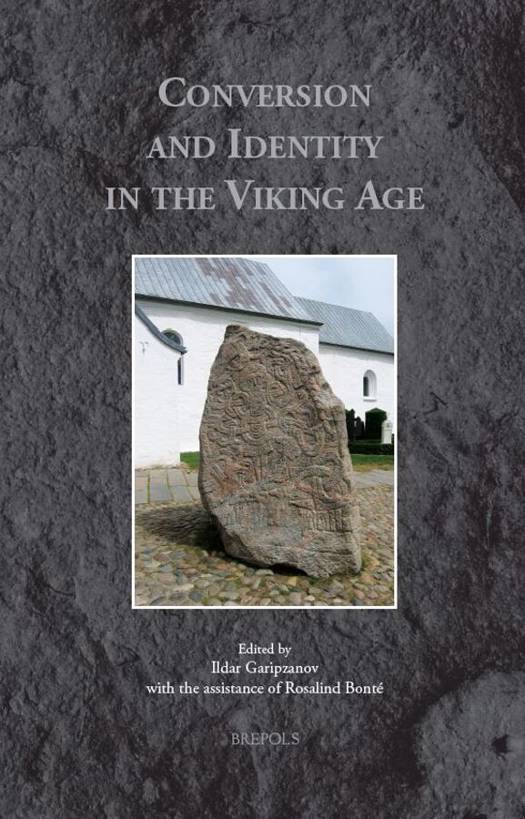
Conversion and Identity in the Viking Age
Ildar H. Garipzanov
€ 68,90
+ 137 punten
Omschrijving
This volume presents a state-of-the-art collection of essays on the socio-cultural aspects of the conversion to Christianity in Viking-Age Scandinavia and the Scandinavian colonies of the North Atlantic. The nine scholars, drawn from the disciplines of history, archaeology, and literary studies, have been brought together to address the overarching topic of how conversion affected peoples' identities - both as individuals, and as members of broader religious, political, and social groups - on either side of the 'divide' between paganism and Christianity. Central to this exploration is the question of how existing and changing identities shaped the progress of conversion as a process of societal, and more specifically cultural, change. Each of the papers in this volume provides examples of the complicated patterns of interaction, influence, and identity-modification that were characteristic of the transition from paganism to Christianity in the Viking world. The authors look for new ways of understanding and describing this gradual intermingling between the two fuzzy-edged religious communities, and they provide a challenging redefinition of the nature of conversion in the Viking Age that will be of interest both to a wide variety of medievalists and to all those who work on conversion in its theoretical and historical aspects.
Specificaties
Betrokkenen
- Auteur(s):
- Uitgeverij:
Inhoud
- Aantal bladzijden:
- 266
- Taal:
- Engels
- Reeks:
- Reeksnummer:
- nr. 5
Eigenschappen
- Productcode (EAN):
- 9782503549248
- Verschijningsdatum:
- 21/05/2014
- Uitvoering:
- Hardcover
- Formaat:
- Genaaid
- Afmetingen:
- 163 mm x 239 mm
- Gewicht:
- 589 g


Alleen bij Standaard Boekhandel
+ 137 punten op je klantenkaart van Standaard Boekhandel
Cadeau

AANGERADEN


Beoordelingen
We publiceren alleen reviews die voldoen aan de voorwaarden voor reviews. Bekijk onze voorwaarden voor reviews.