


- Afhalen na 1 uur in een winkel met voorraad
- Gratis thuislevering in België vanaf € 30
- Ruim aanbod met 7 miljoen producten
- Afhalen na 1 uur in een winkel met voorraad
- Gratis thuislevering in België vanaf € 30
- Ruim aanbod met 7 miljoen producten





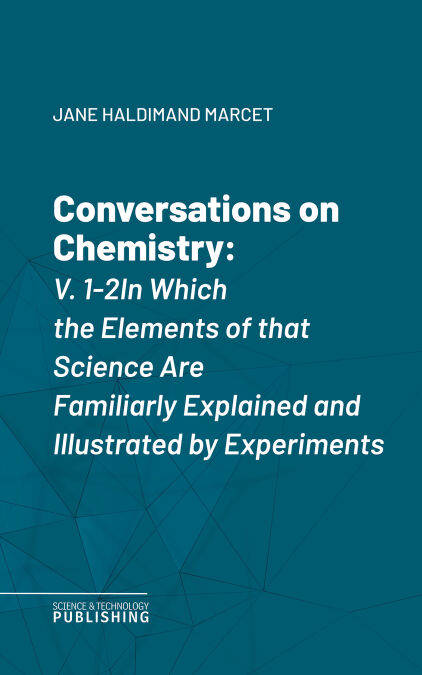
Conversations on Chemistry, V. 1-2In Which the Elements of that Science Are Familiarly Explained and Illustrated by Experiments E-BOOK
Jane Haldimand Marcet
E-book | Engels
€ 19,99
+ 19 punten
Omschrijving
Conversations on Chemistry, V. 1-2: In Which the Elements of that Science Are Familiarly Explained and Illustrated by Experiments is a pioneering educational work first published in the early 19th century, attributed to Jane Marcet. Designed as a series of engaging dialogues between a knowledgeable teacher, Mrs. B., and her two inquisitive students, Emily and Caroline, the book demystifies the principles of chemistry for a general audience, particularly women and young learners. Across two volumes, the text covers a wide range of foundational topics, including the nature and properties of gases, acids, alkalis, salts, metals, and nonmetals, as well as the principles of chemical reactions, combustion, and the composition of air and water. Each concept is introduced through clear, accessible language and is brought to life with practical experiments that readers can observe or replicate, fostering a hands-on understanding of scientific phenomena. The conversational format encourages curiosity and critical thinking, making complex scientific ideas approachable and relatable. Conversations on Chemistry not only played a significant role in popularizing science education but also inspired generations of readers, including notable figures such as Michael Faraday. The book remains a landmark in the history of science communication, celebrated for its clarity, pedagogical innovation, and its role in making chemistry accessible to all.
Specificaties
Betrokkenen
- Auteur(s):
- Uitgeverij:
Inhoud
- Taal:
- Engels
Eigenschappen
- Productcode (EAN):
- 9782528104989
- Verschijningsdatum:
- 31/08/2025
- Uitvoering:
- E-book
- Formaat:
- ePub


Alleen bij Standaard Boekhandel
+ 19 punten op je klantenkaart van Standaard Boekhandel
Cadeau

AANGERADEN


Beoordelingen
We publiceren alleen reviews die voldoen aan de voorwaarden voor reviews. Bekijk onze voorwaarden voor reviews.