


- Afhalen na 1 uur in een winkel met voorraad
- Gratis thuislevering in België vanaf € 30
- Ruim aanbod met 7 miljoen producten
- Afhalen na 1 uur in een winkel met voorraad
- Gratis thuislevering in België vanaf € 30
- Ruim aanbod met 7 miljoen producten




Omschrijving
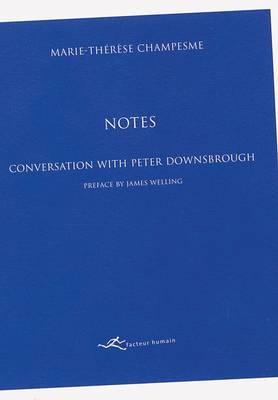
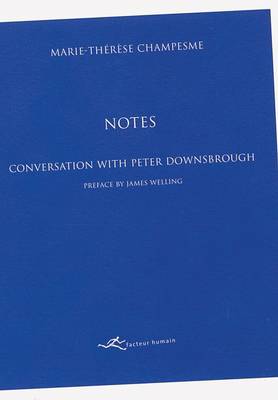
In this book-length conversation between art historian and independent curator Marie-Th�r�se Champesme and the Brussels-based conceptualist known for his challenging photography, sculpture and installed works, topics range from Downsbrough's early and ideal future artworks, interracial dating during the civil rights era, building a house in New Hampshire, the 1970s Belgian art scene and more. Los Angeles conceptual photographer James Welling's introduction captures the spirit: "Downsbrough's work is catalytic. It changes the place surrounding it, while the objects remain stable, unchanged. The 1960s were a revolutionary time for sculpture. When I look at Peter Downsbrough's new work today, I am reminded of the openness found in sculpture from that era. For some time, I've been of the opinion that sculpture encompasses all the other genres of art making. Said differently: Almost anything could be sculpture."
Specificaties
Betrokkenen
- Uitgeverij:
Inhoud
- Aantal bladzijden:
- 119
- Taal:
- Engels
Eigenschappen
- Productcode (EAN):
- 9782960051346
- Verschijningsdatum:
- 1/03/2008
- Uitvoering:
- Paperback
- Formaat:
- Trade paperback (VS)
- Afmetingen:
- 141 mm x 182 mm
- Gewicht:
- 127 g

Alleen bij Standaard Boekhandel
+ 30 punten op je klantenkaart van Standaard Boekhandel

Beoordelingen
We publiceren alleen reviews die voldoen aan de voorwaarden voor reviews. Bekijk onze voorwaarden voor reviews.