


- Afhalen na 1 uur in een winkel met voorraad
- Gratis thuislevering in België vanaf € 30
- Ruim aanbod met 7 miljoen producten
- Afhalen na 1 uur in een winkel met voorraad
- Gratis thuislevering in België vanaf € 30
- Ruim aanbod met 7 miljoen producten





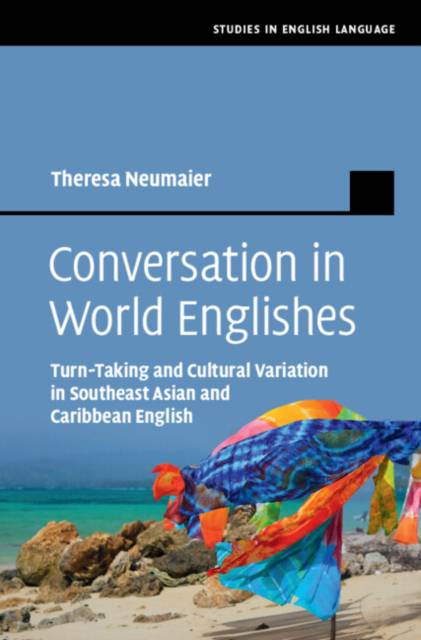
Conversation in World Englishes
Turn-Taking and Cultural Variation in Southeast Asian and Caribbean English
Theresa Neumaier
€ 201,95
+ 403 punten
Uitvoering
Omschrijving
Turn-taking is a fascinating feature of conversational interaction, due to its systematic and ordered nature. However, research has so far focused mainly on American and British conversations, with other varieties of English receiving much less attention. This pioneering book addresses this gap by exploring turn-taking patterns and cultural variation in Southeast Asian and Caribbean English. Bringing together research from the fields of Conversation Analysis and World Englishes for the first time, Neumaier conducts an empirical study based on authentic audio data of interactions in these global varieties of English, and demonstrates that conversational strategies differ between speaker groups with different cultural backgrounds. Shedding new light on the impact of cultural and sociolinguistic factors on conversational patterns, it is essential reading for advanced students and scholars interested in language, variation, and social interaction, as well as those working in the fields of Conversation Analysis, Interactional Linguistics, and World Englishes.
Specificaties
Betrokkenen
- Auteur(s):
- Uitgeverij:
Inhoud
- Aantal bladzijden:
- 308
- Taal:
- Engels
- Reeks:
Eigenschappen
- Productcode (EAN):
- 9781108838023
- Verschijningsdatum:
- 6/04/2023
- Uitvoering:
- Hardcover
- Formaat:
- Genaaid
- Afmetingen:
- 152 mm x 229 mm
- Gewicht:
- 580 g



Alleen bij Standaard Boekhandel
+ 403 punten op je klantenkaart van Standaard Boekhandel
Cadeau

AANGERADEN


Beoordelingen
We publiceren alleen reviews die voldoen aan de voorwaarden voor reviews. Bekijk onze voorwaarden voor reviews.