


- Afhalen na 1 uur in een winkel met voorraad
- Gratis thuislevering in België vanaf € 30
- Ruim aanbod met 7 miljoen producten
- Afhalen na 1 uur in een winkel met voorraad
- Gratis thuislevering in België vanaf € 30
- Ruim aanbod met 7 miljoen producten





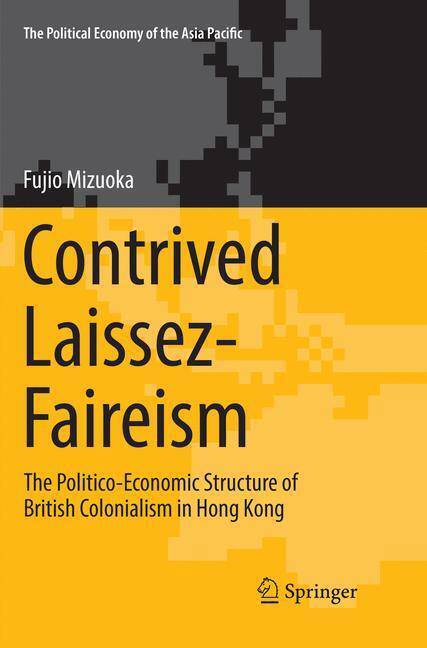
Contrived Laissez-Faireism
The Politico-Economic Structure of British Colonialism in Hong Kong
Fujio Mizuoka
€ 108,45
+ 216 punten
Uitvoering
Omschrijving
This book analyses neo-liberal economic policy in Hong Kong and its relationship to British colonial governance.
Specificaties
Betrokkenen
- Auteur(s):
- Uitgeverij:
Inhoud
- Aantal bladzijden:
- 263
- Taal:
- Engels
- Reeks:
Eigenschappen
- Productcode (EAN):
- 9783030099114
- Verschijningsdatum:
- 28/12/2018
- Uitvoering:
- Paperback
- Afmetingen:
- 155 mm x 15 mm
- Gewicht:
- 444 g


Alleen bij Standaard Boekhandel
+ 216 punten op je klantenkaart van Standaard Boekhandel
Cadeau

AANGERADEN


Beoordelingen
We publiceren alleen reviews die voldoen aan de voorwaarden voor reviews. Bekijk onze voorwaarden voor reviews.