



Bedankt voor het vertrouwen het afgelopen jaar! Om jou te bedanken bieden we GRATIS verzending (in België) aan op alles gedurende de hele maand januari.
- Afhalen na 1 uur in een winkel met voorraad
- In januari gratis thuislevering in België
- Ruim aanbod met 7 miljoen producten
Bedankt voor het vertrouwen het afgelopen jaar! Om jou te bedanken bieden we GRATIS verzending (in België) aan op alles gedurende de hele maand januari.
- Afhalen na 1 uur in een winkel met voorraad
- In januari gratis thuislevering in België
- Ruim aanbod met 7 miljoen producten





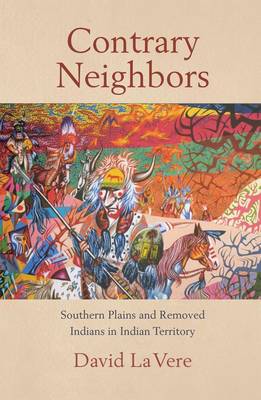
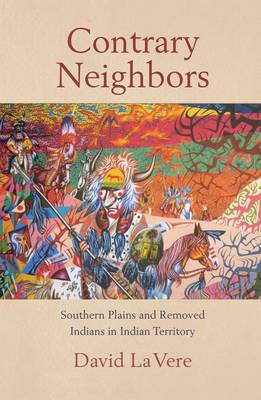
Contrary Neighbors, Volume 237
Southern Plains and Removed Indians in Indian Territory
David La Vere
€ 42,45
+ 84 punten
Omschrijving
Volume 237 in the Civilization of the American Indian Series Contrary Neighbors examines relations between Southeastern Indians who were removed to Indian Territory in the early nineteenth century and Southern Plains Indians who claimed this area as their own. These two Indian groups viewed the world in different ways. The Southeastern Indians, primarily Choctaws, Cherokees, Creeks, Chickasaws, and Seminoles, were agricultural peoples. By the nineteenth century they were adopting American "civilization" codified laws, Christianity, market-driven farming, and a formal, Euroamerican style of education. By contrast, the hunter-gathers of the Southern Plains-the Comanches, Kiowas, Wichitas, and Osages-had a culture based on the buffalo. They actively resisted the Removed Indians' "invasion" of their homelands. The Removed Indians hoped to lessen Plains Indian raids into Indian Territory by "civilizing" the Plains peoples through diplomatic councils and trade. But the Southern Plains Indians were not interested in "civilization" and saw no use in farming. Even their defeat by the U.S. government could not bridge the cultural gap between the Plains and Removed Indians, a gulf that remains to this day. David LaVere is Professor of History at the University of North Carolina, Wilmington, and the author of Looting Spiro Mounds, also published by the University of Oklahoma Press.
Specificaties
Betrokkenen
- Auteur(s):
- Uitgeverij:
Inhoud
- Aantal bladzijden:
- 308
- Taal:
- Engels
- Reeks:
- Reeksnummer:
- nr. 237
Eigenschappen
- Productcode (EAN):
- 9780806132990
- Verschijningsdatum:
- 15/11/2000
- Uitvoering:
- Paperback
- Formaat:
- Trade paperback (VS)
- Afmetingen:
- 140 mm x 216 mm
- Gewicht:
- 390 g


Alleen bij Standaard Boekhandel
+ 84 punten op je klantenkaart van Standaard Boekhandel
SOLDEN


Beoordelingen
We publiceren alleen reviews die voldoen aan de voorwaarden voor reviews. Bekijk onze voorwaarden voor reviews.