


- Afhalen na 1 uur in een winkel met voorraad
- Gratis thuislevering in België vanaf € 30
- Ruim aanbod met 7 miljoen producten
- Afhalen na 1 uur in een winkel met voorraad
- Gratis thuislevering in België vanaf € 30
- Ruim aanbod met 7 miljoen producten





€ 5,99
+ 5 punten
Omschrijving
The models still work. What's scarce is permission to turn them on.
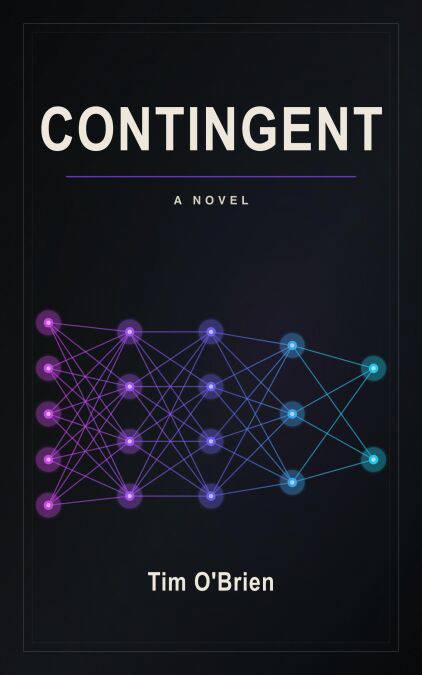
In 2029, artificial intelligence is not the bottleneck. Lawful deployment is. No human, no deployment. No readable audit chain, no deployment. No funded oversight, no deployment. After a catastrophic logistics failure known as the Calloway Incident rewrote the rules, the market stopped buying capability and started buying signatures—the licensed human approvals that make AI financeable, insurable, and legal.
Rob Coleman helped write those rules. An independent certifier whose review of Calloway is now baked into the regulations, he carries portable authority in his name. Procurement teams cite him. Insurers price around him. A multibillion-dollar acquisition converts only if he signs.
He is hired to certify Northstar—the leading maker of legally deployable AI—during a pandemic logistics emergency. Hospitals need a finished routing system turned on before an outbreak window closes. Investors need permission structured cleanly enough to close. Regulators need proof that the new regime works. Everyone needs a human signature.
Then Rob opens the audit log.
It says a certified orchestrator named Nadia Cho approved a refrigerated-vaccine route. Nadia says she never saw the screen. The institution wants her to sign that she did.
That contradiction is not a glitch. It is the story.
Nadia Cho is tired, competent, and furious in the controlled way people get when they know the system is about to make them the variance. Her certification number appears on a regulated approval she never reviewed—and again in a noncompliant fork of the same system. A senior enforcement official has made clear there are two versions of her record. In one, she is a credible witness. In the other, she is the first responsible human. Northstar's counsel is drafting a corrective attestation that would preserve her job path and may make her personally liable for a decision she never made.
Around that human fact, the pressure tightens from every direction.
Jack needs emergency hospital deployment before patients with names attached to a particular Tuesday run out of time. Lei needs Rob's signature to make permission investable. Mira, a labor negotiator, watches language she once helped write turned against the workers it was meant to protect. A regulator wields new enforcement teeth without the safeguards that would make testimony safe. An investor accepts boundaries only because insurance, tax, and procurement finally moved in the same direction.
Rob's signature can preserve Nadia's denial, preserve the binding force of the standard he is certifying, or accelerate the deployment the public health window demands.
It cannot do all three.
The compromise he writes still costs one named facility a specific window of care.
Contingent is the second book in The Condition Set, a trilogy of near-future novels about work, capital, and artificial intelligence. Redundant asked who gets cut when automation reshapes the workforce. Contingent asks who gets used when regulation requires a human name, a credential, and a signature—without funding the protection of the person who provides them. The new rules were necessary. They didn't remove the moral risk. They moved it into a document someone has to sign.
This is not a novel about rogue AI or emergent consciousness. There are no chases or secret-agent theatrics. The suspense is institutional: audit logs, certification records, procurement language, labor obligations, regulatory notices, and the moment a tired orchestrator in scrubs realizes her name is already on the file.
For readers of The Warehouse, Severance, The Circle, Burn-In, Infomocracy, and The Ministry for the Future—books that make institutions, paperwork, and policy the engine of plot—Contingent is a thriller about the market value of lawful permission and the human cost.
Specificaties
Betrokkenen
- Auteur(s):
- Uitgeverij:
Inhoud
- Taal:
- Engels
Eigenschappen
- Productcode (EAN):
- 9798995259763
- Verschijningsdatum:
- 29/05/2026
- Uitvoering:
- E-book
- Formaat:
- ePub


Alleen bij Standaard Boekhandel
+ 5 punten op je klantenkaart van Standaard Boekhandel
Cadeau

AANGERADEN


Beoordelingen
We publiceren alleen reviews die voldoen aan de voorwaarden voor reviews. Bekijk onze voorwaarden voor reviews.