


- Afhalen na 1 uur in een winkel met voorraad
- Gratis thuislevering in België vanaf € 30
- Ruim aanbod met 7 miljoen producten
- Afhalen na 1 uur in een winkel met voorraad
- Gratis thuislevering in België vanaf € 30
- Ruim aanbod met 7 miljoen producten





€ 96,95
+ 193 punten
Eenvoudig bestellen
Veilig betalen


Gratis thuislevering vanaf € 30 (via bpost)
Gratis levering in je Standaard Boekhandel
Omschrijving
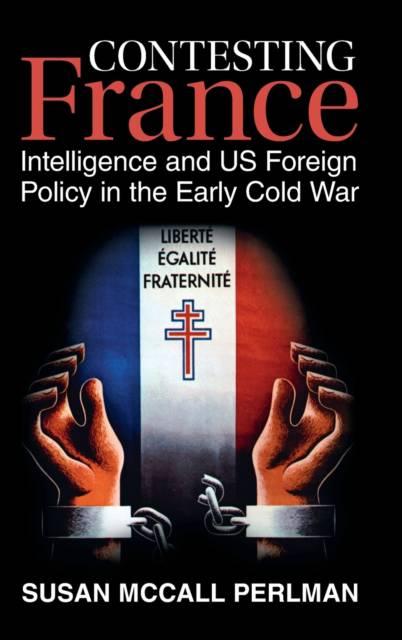
Contesting France reveals the untold role of intelligence in shaping American perceptions of and policy toward France between 1944 and 1947, a critical period of the early Cold War when many feared that French communists were poised to seize power. In doing so, it exposes the prevailing narrative of French unreliability, weakness, and communist intrigue apparent in diplomatic dispatches and intelligence reports sent to the White House as both overblown and deeply contested. Likewise, it shows that local political factions, French intelligence and government officials, colonial officers, and various trans-national actors in imperial outposts and in the metropole sought access to US intelligence officials in a deliberate effort to shape US policy for their own political postwar agendas. Using extensive archival research in the United States and France, Susan McCall Perlman sheds new light on the nexus between intelligence and policymaking in the immediate postwar era.
Specificaties
Betrokkenen
- Auteur(s):
- Uitgeverij:
Inhoud
- Aantal bladzijden:
- 288
- Taal:
- Engels
- Reeks:
Eigenschappen
- Productcode (EAN):
- 9781316511817
- Verschijningsdatum:
- 9/02/2023
- Uitvoering:
- Hardcover
- Formaat:
- Genaaid
- Afmetingen:
- 152 mm x 229 mm
- Gewicht:
- 594 g



Alleen bij Standaard Boekhandel
+ 193 punten op je klantenkaart van Standaard Boekhandel
CADEAU

AANGERADEN


Beoordelingen
We publiceren alleen reviews die voldoen aan de voorwaarden voor reviews. Bekijk onze voorwaarden voor reviews.