


- Afhalen na 1 uur in een winkel met voorraad
- Gratis thuislevering in België vanaf € 30
- Ruim aanbod met 7 miljoen producten
- Afhalen na 1 uur in een winkel met voorraad
- Gratis thuislevering in België vanaf € 30
- Ruim aanbod met 7 miljoen producten





Omschrijving
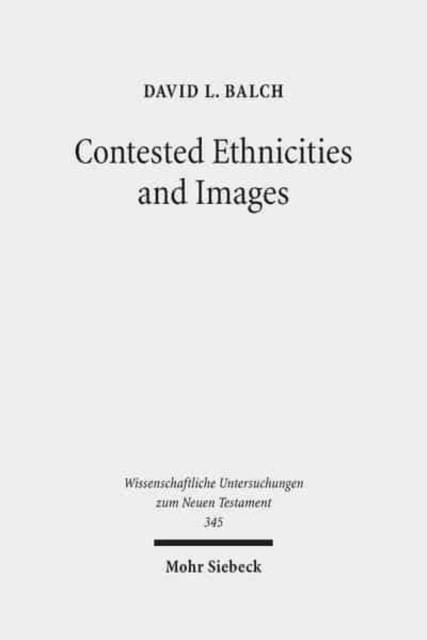
David L. Balch argues that Luke-Acts participates in the ethnic, economic, and political debates of the first century CE. Cities and peoples are to receive immigrating foreigners (Act. 10.28); the proud urban rich are to humble themselves and become one community with the poor. Imperial Rome's expanding to include diverse peoples was the driving force that drove conflicts around ethnic inclusion and exclusion in Rome itself, but also in Athens and Jerusalem. Luke's biography of Jesus narrates him as founder who fulfilled Isaiah's prophecies and changed Moses' laws by receiving foreigners (Luk 4.19), which generated mission growth. Balch also relates New Testament texts to Roman domestic visual representations, presenting e.g. women as priests, believing charismatics parallel to Dionysiac maenads, and Thecla, who belonged to "a category of women [painted by Roman artists] who upset expected forms of conduct" (Bergmann).
Specificaties
Betrokkenen
- Auteur(s):
- Uitgeverij:
Inhoud
- Aantal bladzijden:
- 479
- Taal:
- Engels
- Reeks:
- Reeksnummer:
- nr. 345
Eigenschappen
- Productcode (EAN):
- 9783161523366
- Verschijningsdatum:
- 1/04/2015
- Uitvoering:
- Hardcover
- Formaat:
- Genaaid
- Afmetingen:
- 160 mm x 231 mm
- Gewicht:
- 929 g


Alleen bij Standaard Boekhandel
+ 429 punten op je klantenkaart van Standaard Boekhandel
AANGERADEN


Beoordelingen
We publiceren alleen reviews die voldoen aan de voorwaarden voor reviews. Bekijk onze voorwaarden voor reviews.