


- Afhalen na 1 uur in een winkel met voorraad
- Gratis thuislevering in België vanaf € 30
- Ruim aanbod met 7 miljoen producten
- Afhalen na 1 uur in een winkel met voorraad
- Gratis thuislevering in België vanaf € 30
- Ruim aanbod met 7 miljoen producten

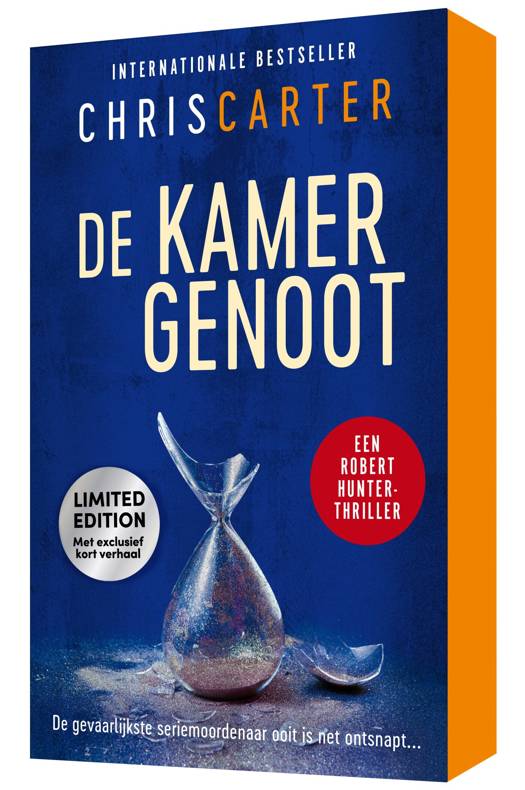



Contested Borders
Queer Politics and Cultural Translation in Contemporary Francophone Writing from the Maghreb
William J Spurlin
€ 195,45
Uitvoering
Omschrijving
Contested Borders broadens understandings of dissident sexualities in Africa through examining new representations of same-sex desire emerging in recent francophone autofictional writing from the Maghreb, where long-established traditions pertaining to gender and sexuality are brought into contact with new forms of gender and sexual dissidence, resulting from the inflection of globally circulating discourses and embodiments of queerness in North Africa, and from the experience of emigration and settlement by the writers concerned in France. The book analyses specifically how Franco-Maghrebi writers Rachid O., Abdellah Taïa, Eyet-Chékib Djaziri, and Nina Bouraoui foreground translation and narrative reflexivity around incommensurable spaces of queerness in order to index their crossings and negotiations of multiple languages, histories and cultures. By writing in French, Spurlin demonstrates that the writers are not merely mimicking the language of their former coloniser but inflecting a European language with discursive turns of phrase indigenous to North Africa, thus creating new possibilities of meaning and expression to name their lived experiences of gender and sexual alterity--a form of (queer) translational praxis that destabilises received gender/sexual categories both within the Maghreb and in Europe.
Specificaties
Betrokkenen
- Auteur(s):
- Uitgeverij:
Inhoud
- Aantal bladzijden:
- 262
- Taal:
- Engels
- Reeks:
Eigenschappen
- Productcode (EAN):
- 9781786600813
- Verschijningsdatum:
- 22/06/2022
- Uitvoering:
- Hardcover
- Formaat:
- Genaaid
- Afmetingen:
- 152 mm x 229 mm
- Gewicht:
- 553 g


Alleen bij Standaard Boekhandel
Cadeau

AANGERADEN


Beoordelingen
We publiceren alleen reviews die voldoen aan de voorwaarden voor reviews. Bekijk onze voorwaarden voor reviews.