



- Afhalen na 1 uur in een winkel met voorraad
- In januari gratis thuislevering in België
- Ruim aanbod met 7 miljoen producten
- Afhalen na 1 uur in een winkel met voorraad
- In januari gratis thuislevering in België
- Ruim aanbod met 7 miljoen producten





€ 53,00
+ 106 punten
Omschrijving
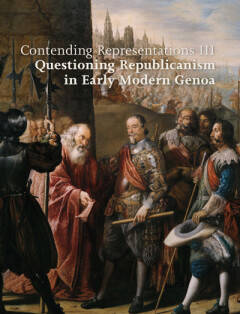
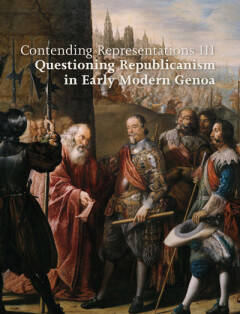
Several studies have been devoted to the flowering of the republic of Genoa during the so-called 'siglo de los Genoveses', when Genoa became the hub of European trade and an important center of artistic and literary production. Yet, little attention has been granted to the political and cultural crisis that followed, starting in 1559 and culminating in 1684, when the French bombed Genoa. Addressing this chronological gap, the volume explores how the image of the Genoese Republic was shaped, exploited, or contested in the long seventeenth century. How did Genoese politicians and men of letters represent their homeland? How was Genoa represented in Spain or in the Low Countries? How was its political system conceived by Italian and foreign political writers, and how did the prevailing absolutist model influence such ideas? In order to answer these questions, the volume gathers contributions from art historians, literary scholars, political and cultural historians, thus adopting a comparative, multidisciplinary approach that has never been applied to the matter before.
Specificaties
Betrokkenen
- Auteur(s):
- Uitgeverij:
Inhoud
- Aantal bladzijden:
- 196
- Taal:
- Engels
- Reeks:
- Reeksnummer:
- nr. 3
Eigenschappen
- Productcode (EAN):
- 9782503605210
- Verschijningsdatum:
- 2/12/2024
- Uitvoering:
- Hardcover
- Formaat:
- Genaaid
- Gewicht:
- 725 g


Alleen bij Standaard Boekhandel
+ 106 punten op je klantenkaart van Standaard Boekhandel
Cadeau

AANGERADEN


Beoordelingen
We publiceren alleen reviews die voldoen aan de voorwaarden voor reviews. Bekijk onze voorwaarden voor reviews.