



- Afhalen na 1 uur in een winkel met voorraad
- In januari gratis thuislevering in België
- Ruim aanbod met 7 miljoen producten
- Afhalen na 1 uur in een winkel met voorraad
- In januari gratis thuislevering in België
- Ruim aanbod met 7 miljoen producten





€ 53,00
+ 106 punten
Omschrijving
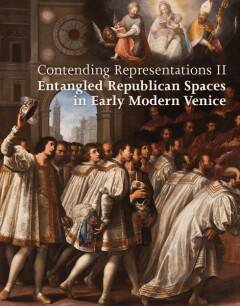
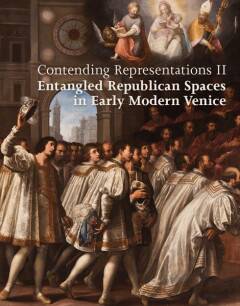
The volume addresses the issue of political celebration in early modern Venice. Dealing with processional orders and iconographic programs, historiographical narratives and urbanistic canons, stylistic features and diplomatic accounts, the interdisciplinary contributions gathered in these pages aim to question the performative effectiveness and the social consistency of the so called 'myth' of Venice: a system of symbols, beliefs and meanings offering a self-portrait of the ruling elite, the Venetian patriciate. In order to do so, the volume calls for a spatial turn in Venetian studies, blurring the boundaries between institutionalized and unofficial ceremonial spaces and considering their ongoing interaction in representing the rule of the Serenissima. The twelve chapters move from Palazzo Ducale to the Venetian streets and from the city of Venice to its dominions, thus widening considerably the range of social and political actors and audiences involved in the analysis. Such multifocal perspective allows us to challenge the very idea of a single 'myth' of Venice.
Specificaties
Betrokkenen
- Auteur(s):
- Uitgeverij:
Inhoud
- Aantal bladzijden:
- 192
- Taal:
- Engels
- Reeks:
- Reeksnummer:
- nr. 2
Eigenschappen
- Productcode (EAN):
- 9782503605197
- Verschijningsdatum:
- 25/04/2024
- Uitvoering:
- Hardcover
- Formaat:
- Genaaid
- Afmetingen:
- 222 mm x 288 mm
- Gewicht:
- 1097 g


Alleen bij Standaard Boekhandel
+ 106 punten op je klantenkaart van Standaard Boekhandel
Cadeau

AANGERADEN


Beoordelingen
We publiceren alleen reviews die voldoen aan de voorwaarden voor reviews. Bekijk onze voorwaarden voor reviews.