



- Afhalen na 1 uur in een winkel met voorraad
- In januari gratis thuislevering in België
- Ruim aanbod met 7 miljoen producten
- Afhalen na 1 uur in een winkel met voorraad
- In januari gratis thuislevering in België
- Ruim aanbod met 7 miljoen producten




€ 186,95
+ 373 punten
Omschrijving
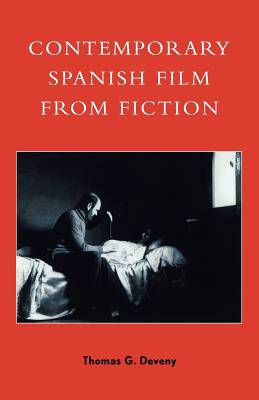
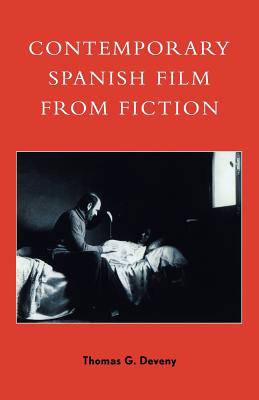
Now available in paperback! Cinema often relies on novels or short stories for narrative material. Contemporary Spanish Film from Fiction examines cinematic versions of post-Civil War narratives that had their debut during three key decades of recent Spanish cinema (1965-1995). This study begins with an overview of the critical problems of screen adaptation and offers a global analysis that examines film adaptations of works by fifty-seven authors. These include classics of twentieth century Spanish literature by authors such as Camilo JosZ Cela, Miguel Delibes, and Luis Mart'n Santos, works by recent best-selling authors Antonio Mu-oz Molina, Arturo PZrez Reverte, Juan Madrid, and many others. Directors like Vicente Aranda, Mario Camus, and Pilar Mir- show how literary material can be transformed into superb cinema. Spain's dramatic transition from dictatorship to democracy allowed new freedoms on the Spanish screen. Screen adaptations of Spanish narratives often reexamine Spain's historical past or portray important aspects of contemporary Spanish society. Films that receive government subsidies are a special manifestation of the national as an ideological construct, and these twice-told tales, whether subsidized or not, become a double affirmation of Spanish cultural production. This illustrated study will be welcomed by those interested in film studies (especially screen adaptations), Spanish cinema, and contemporary Spanish literature.
Specificaties
Betrokkenen
- Auteur(s):
- Uitgeverij:
Inhoud
- Aantal bladzijden:
- 478
- Taal:
- Engels
Eigenschappen
- Productcode (EAN):
- 9780810846920
- Verschijningsdatum:
- 1/01/1999
- Uitvoering:
- Paperback
- Formaat:
- Trade paperback (VS)
- Afmetingen:
- 167 mm x 216 mm
- Gewicht:
- 625 g


Alleen bij Standaard Boekhandel
+ 373 punten op je klantenkaart van Standaard Boekhandel
Cadeau

AANGERADEN


Beoordelingen
We publiceren alleen reviews die voldoen aan de voorwaarden voor reviews. Bekijk onze voorwaarden voor reviews.