


- Afhalen na 1 uur in een winkel met voorraad
- Gratis thuislevering in België vanaf € 30
- Ruim aanbod met 7 miljoen producten
- Afhalen na 1 uur in een winkel met voorraad
- Gratis thuislevering in België vanaf € 30
- Ruim aanbod met 7 miljoen producten





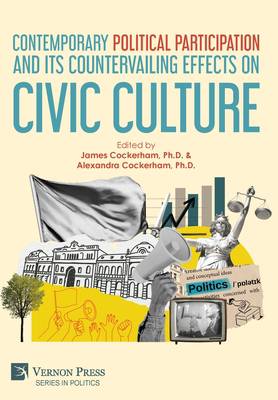
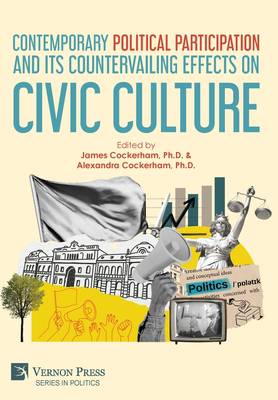
Contemporary Political Participation and its Countervailing Effects on Civic Culture
€ 166,95
+ 333 punten
Omschrijving
Citizen participation stands as a pillar of democracy, embodying principles of popular sovereignty, government accountability, and public trust. This compiled volume expands our understanding of the many varied contemporary forms of political participation and unpacks the implications of contemporary civic engagement on civic culture. The motivating factors for and effects of political participation are complex. The ways in which humans use the varying avenues and opportunities to engage with the government have been complicated by the increasing ubiquity of social media. Under certain conditions, citizen participation may serve to increase trust in public institutions, with implications for civil service, courts, police, the military, and other public services. While at other times, modern political participation may create a countervailing influence on productive civic engagement and civic culture. Although technological advances of the twenty-first century have lowered some of the barriers to political engagement, they have also facilitated new ways of spreading disinformation and simplified messaging. This edited volume will be of interest to anyone who cares about political participation and the efficacy of civic engagement in the information age. In addition, this book would be of interest in many interdisciplinary courses from the social sciences and would facilitate discussions surrounding the varied ways that citizens can use political participation in democracies around the world to engage with democratic government and the impacts this has on social capital and civic culture.
Specificaties
Betrokkenen
- Uitgeverij:
Inhoud
- Aantal bladzijden:
- 252
- Taal:
- Engels
- Reeks:
Eigenschappen
- Productcode (EAN):
- 9798881904418
- Verschijningsdatum:
- 19/02/2026
- Uitvoering:
- Hardcover
- Formaat:
- Genaaid
- Afmetingen:
- 152 mm x 229 mm
- Gewicht:
- 508 g

Alleen bij Standaard Boekhandel
+ 333 punten op je klantenkaart van Standaard Boekhandel
Cadeau

AANGERADEN


Beoordelingen
We publiceren alleen reviews die voldoen aan de voorwaarden voor reviews. Bekijk onze voorwaarden voor reviews.