


- Afhalen na 1 uur in een winkel met voorraad
- Gratis thuislevering in België vanaf € 30
- Ruim aanbod met 7 miljoen producten
- Afhalen na 1 uur in een winkel met voorraad
- Gratis thuislevering in België vanaf € 30
- Ruim aanbod met 7 miljoen producten





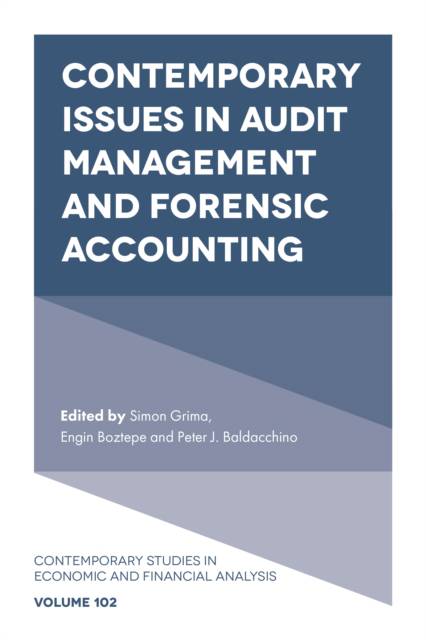
Contemporary Issues in Audit Management and Forensic Accounting
€ 241,95
+ 483 punten
Omschrijving
Recently, financial crimes have increased exponentially in many regions of the world. Considering that these crimes are usually due to accounting fraud, more sensitive and effective approaches to accounting fraud and corruption have started developing. In this context, regulations have been put into practice in many countries for measures to be taken against fraud and corruption.
It is not possible to take measures against and fight financial crimes by using old traditional methods. Instead, the field of Forensic Accounting has arisen to directly tackle these issues. In the 18 chapters in this volume of Contemporary Studies in Economic and Financial Analysis, expert contributors gather together to examine the extent and characteristics of forensic accounting, a field which has been practiced for many years, but is still not internationally regulated yet.
It is not possible to take measures against and fight financial crimes by using old traditional methods. Instead, the field of Forensic Accounting has arisen to directly tackle these issues. In the 18 chapters in this volume of Contemporary Studies in Economic and Financial Analysis, expert contributors gather together to examine the extent and characteristics of forensic accounting, a field which has been practiced for many years, but is still not internationally regulated yet.
Specificaties
Betrokkenen
- Uitgeverij:
Inhoud
- Aantal bladzijden:
- 352
- Taal:
- Engels
- Reeks:
- Reeksnummer:
- nr. 102
Eigenschappen
- Productcode (EAN):
- 9781838676360
- Verschijningsdatum:
- 10/02/2020
- Uitvoering:
- Hardcover
- Formaat:
- Genaaid
- Afmetingen:
- 150 mm x 231 mm
- Gewicht:
- 635 g

Alleen bij Standaard Boekhandel
+ 483 punten op je klantenkaart van Standaard Boekhandel
AANGERADEN


Beoordelingen
We publiceren alleen reviews die voldoen aan de voorwaarden voor reviews. Bekijk onze voorwaarden voor reviews.