


- Afhalen na 1 uur in een winkel met voorraad
- Gratis thuislevering in België vanaf € 30
- Ruim aanbod met 7 miljoen producten
- Afhalen na 1 uur in een winkel met voorraad
- Gratis thuislevering in België vanaf € 30
- Ruim aanbod met 7 miljoen producten





€ 24,45
+ 48 punten
Omschrijving
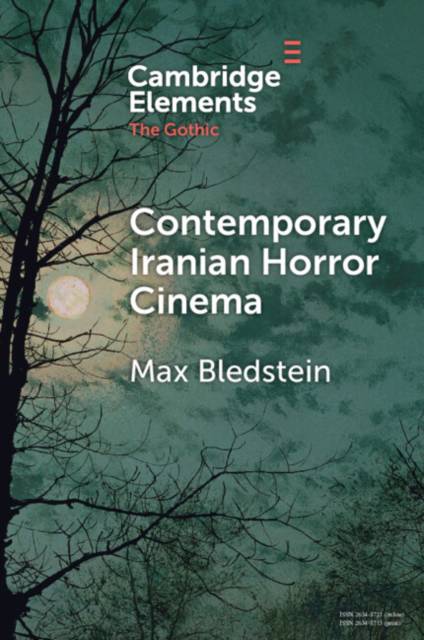
This Element explores how twenty-first century Iranian filmmakers have applied elements from Persian culture to the horror genre. Although horror films have not often been a part of the rich Iranian cinematic tradition due in part to censorship laws following the 1979 revolution, I argue that a small group of directors has made provocative use of the genre. The first section draws on theories of monstrosity to examine the re-contextualisation of pre-revolutionary film tropes in the work of Fereydoun Jeyrani. The second section examines how Mohammad Hossein Latifi uses the slasher to navigate debates around female university students. The third section discusses Shahram Mokri's use of single takes to facilitate horror's function as social critique. The final section examines the depiction of politics and history in the films of Mani Haghighi. The analysis reveals Iranian horror to be both a vibrant tradition and valuable for understanding the genre's global importance.
Specificaties
Betrokkenen
- Auteur(s):
- Uitgeverij:
Inhoud
- Aantal bladzijden:
- 75
- Taal:
- Engels
- Reeks:
Eigenschappen
- Productcode (EAN):
- 9781009698498
- Verschijningsdatum:
- 31/07/2026
- Uitvoering:
- Paperback
- Formaat:
- Trade paperback (VS)


Alleen bij Standaard Boekhandel
+ 48 punten op je klantenkaart van Standaard Boekhandel
Cadeau

AANGERADEN


Beoordelingen
We publiceren alleen reviews die voldoen aan de voorwaarden voor reviews. Bekijk onze voorwaarden voor reviews.