


- Afhalen na 1 uur in een winkel met voorraad
- Gratis thuislevering in België vanaf € 30
- Ruim aanbod met 7 miljoen producten
- Afhalen na 1 uur in een winkel met voorraad
- Gratis thuislevering in België vanaf € 30
- Ruim aanbod met 7 miljoen producten





€ 60,95
+ 121 punten
Omschrijving
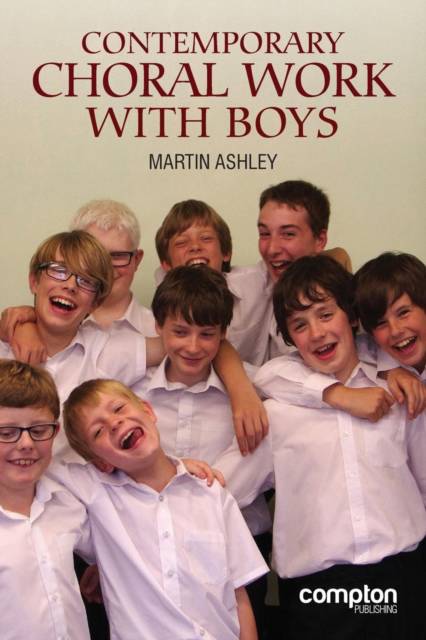
The choral world is drifting and in need of solutions in relation to one of its most enduring problems - the shortage of male singers. Contemporary Choral Work with Boys offers a radical re-appraisal of the situation based on a unique combination of scholarly work on the sociocultural aspects of young male singing with similar cutting edge work on the physiological. The book provides clear, lucid information on the nature of puberty and later adolescence and the impact these times have upon both the vocal mechanism and the social self. New data answer many questions about whether or not trends in the timing of puberty are causing voices to "break" earlier and how choir directors and singing teachers need to respond. The book contains a significant amount clinical reference material, but the text and presentation is designed to serve primarily as a practical handbook. Thus, readers will be able to access the practical advice readily, whilst having access to more detailed scientific information as and when they need it. Pitched at a level that will appeal to those who have some experience of working with choirs that include young male singers (or would like to include such singers), it should answer questions that such readers will inevitably have through their experience. While Professor Ashley's book will stimulate much debate and no little soul searching, it will encourage organizations associated with choral singing to explore exciting new initiatives to break the deadlock of the "missing males" in choral singing.
Specificaties
Betrokkenen
- Auteur(s):
- Uitgeverij:
Inhoud
- Aantal bladzijden:
- 214
- Taal:
- Engels
Eigenschappen
- Productcode (EAN):
- 9781909082052
- Verschijningsdatum:
- 3/11/2014
- Uitvoering:
- Paperback
- Formaat:
- Trade paperback (VS)
- Afmetingen:
- 152 mm x 229 mm
- Gewicht:
- 290 g



Alleen bij Standaard Boekhandel
+ 121 punten op je klantenkaart van Standaard Boekhandel
Cadeau

AANGERADEN


Beoordelingen
We publiceren alleen reviews die voldoen aan de voorwaarden voor reviews. Bekijk onze voorwaarden voor reviews.