


- Afhalen na 1 uur in een winkel met voorraad
- Gratis thuislevering in België vanaf € 30
- Ruim aanbod met 7 miljoen producten
- Afhalen na 1 uur in een winkel met voorraad
- Gratis thuislevering in België vanaf € 30
- Ruim aanbod met 7 miljoen producten





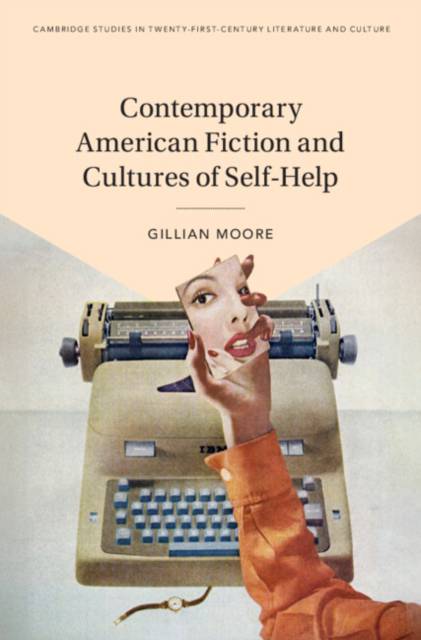
Contemporary American Fiction and Cultures of Self-Help
Gillian Moore
€ 172,95
+ 345 punten
Omschrijving
This is a book about the encounters that contemporary North American fiction stages with distinct strands of self-help. Its central argument is that the varied practices of ever-expanding and diversifying self-help cultures are generatively elastic sites of inspiration as well as antagonism for contemporary authors: spaces where they can explore what it means to be better on personal, ethical, and societal terms. It offers new perspectives on the work of nine very different writers by exploring how they play different forms of self-help off against one another. This book shows how in the clashes between practices ranging from commencement speeches and grassroots communitarian self-help to time-management productivity manuals, trauma recovery theories, pop-neuroscience, and makeover cultures, contemporary writers try to find ways of reimagining authority and agency beyond individualism, asking how - and if - it is possible to live and write 'better' in our compromised neoliberal world.
Specificaties
Betrokkenen
- Auteur(s):
- Uitgeverij:
Inhoud
- Aantal bladzijden:
- 287
- Taal:
- Engels
- Reeks:
Eigenschappen
- Productcode (EAN):
- 9781009438490
- Verschijningsdatum:
- 18/12/2025
- Uitvoering:
- Hardcover
- Formaat:
- Genaaid
- Afmetingen:
- 152 mm x 229 mm
- Gewicht:
- 508 g


Alleen bij Standaard Boekhandel
+ 345 punten op je klantenkaart van Standaard Boekhandel
Cadeau

AANGERADEN


Beoordelingen
We publiceren alleen reviews die voldoen aan de voorwaarden voor reviews. Bekijk onze voorwaarden voor reviews.