


- Afhalen na 1 uur in een winkel met voorraad
- Gratis thuislevering in België vanaf € 30
- Ruim aanbod met 7 miljoen producten
- Afhalen na 1 uur in een winkel met voorraad
- Gratis thuislevering in België vanaf € 30
- Ruim aanbod met 7 miljoen producten





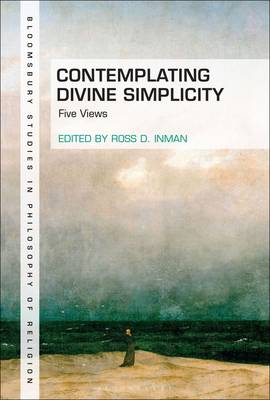
Contemplating Divine Simplicity
Five Views
€ 195,45
+ 390 punten
Eenvoudig bestellen
Veilig betalen


Gratis thuislevering vanaf € 30 (via bpost)
Gratis levering in je Standaard Boekhandel
Omschrijving
Is divine simplicity coherent? Is there adequate theological and philosophical motivation for the doctrine? Does it undermine God's freedom in creation? Does it help or hinder Trinitarian doctrine? For the first time in a multi-view format, a team of renowned proponents and critics of divine simplicity come together to consider these questions and discuss the intrinsic merits of the doctrine.
With contributors presenting Thomistic, Anselmian, Eastern Orthodox and Scotistic views, as well as a sustained and considered critique, this unique structure makes for a genuine discussion and developed exploration of the key issues at stake. Chapters evaluate the coherence and interpretation of divine simplicity, assessing which version is worthy of assent, and set out the motivations in favour of the doctrine. Divine freedom, the contingency of creation and the doctrine of the Trinity are also considered in light of theological arguments against divine simplicity.
Specificaties
Betrokkenen
- Uitgeverij:
Inhoud
- Aantal bladzijden:
- 328
- Taal:
- Engels
- Reeks:
Eigenschappen
- Productcode (EAN):
- 9781350321113
- Verschijningsdatum:
- 16/04/2026
- Uitvoering:
- Hardcover
- Formaat:
- Genaaid
- Afmetingen:
- 156 mm x 234 mm
- Gewicht:
- 635 g

Alleen bij Standaard Boekhandel
+ 390 punten op je klantenkaart van Standaard Boekhandel
CADEAU

AANGERADEN


Beoordelingen
We publiceren alleen reviews die voldoen aan de voorwaarden voor reviews. Bekijk onze voorwaarden voor reviews.