


- Afhalen na 1 uur in een winkel met voorraad
- Gratis thuislevering in België vanaf € 30
- Ruim aanbod met 7 miljoen producten
- Afhalen na 1 uur in een winkel met voorraad
- Gratis thuislevering in België vanaf € 30
- Ruim aanbod met 7 miljoen producten





€ 149,95
+ 299 punten
Uitvoering
Omschrijving
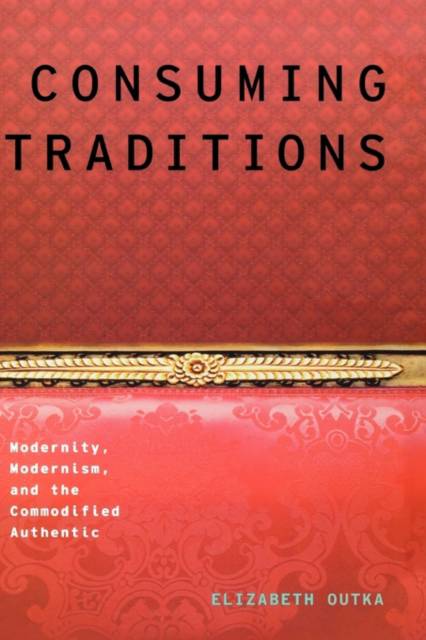
In an unprecedented phenomenon that swept across Britain at the turn of the nineteenth century, writers, advertisers, and architects began to create and sell images of an authentic cultural realm paradoxically considered outside the marketplace. Such images were located in nostalgic pictures of an idyllic, pre-industrial past, in supposedly original objects not derived from previous traditions, and in the ideal of a purified aesthetic that might be separated from the mass market. Presenting a lively, unique study of what she terms the "commodified authentic," Elizabeth Outka explores this crucial but overlooked development in the history of modernity with a piercing look at consumer culture and the marketing of authenticity in late nineteenth- and early twentieth-century Britain.
The book brings together a wide range of cultural sources, from the model towns of Bournville, Port Sunlight, and Letchworth; to the architecture of Edwin Lutyens and Selfridges department store; to work by authors such as Bernard Shaw, E. M. Forster, Henry James, D. H. Lawrence, James Joyce, and Virginia Woolf.
The book brings together a wide range of cultural sources, from the model towns of Bournville, Port Sunlight, and Letchworth; to the architecture of Edwin Lutyens and Selfridges department store; to work by authors such as Bernard Shaw, E. M. Forster, Henry James, D. H. Lawrence, James Joyce, and Virginia Woolf.
Specificaties
Betrokkenen
- Auteur(s):
- Uitgeverij:
Inhoud
- Aantal bladzijden:
- 232
- Taal:
- Engels
- Reeks:
Eigenschappen
- Productcode (EAN):
- 9780195372694
- Verschijningsdatum:
- 12/12/2008
- Uitvoering:
- Hardcover
- Formaat:
- Genaaid
- Afmetingen:
- 160 mm x 239 mm
- Gewicht:
- 430 g


Alleen bij Standaard Boekhandel
+ 299 punten op je klantenkaart van Standaard Boekhandel
Cadeau

AANGERADEN


Beoordelingen
We publiceren alleen reviews die voldoen aan de voorwaarden voor reviews. Bekijk onze voorwaarden voor reviews.