


- Afhalen na 1 uur in een winkel met voorraad
- Gratis thuislevering in België vanaf € 30
- Ruim aanbod met 7 miljoen producten
- Afhalen na 1 uur in een winkel met voorraad
- Gratis thuislevering in België vanaf € 30
- Ruim aanbod met 7 miljoen producten





€ 138,95
+ 277 punten
Omschrijving
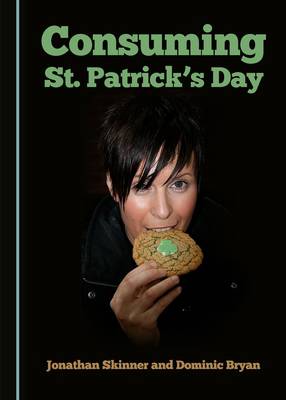
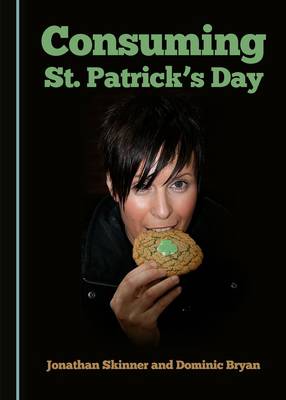
There is probably no national day that has such global popularity as St. Patrick's Day. On St. Patrick's Day, it is reputed that 'Everyone is Irish'. What are the factors and factions that give the day such popular appeal? Is St. Patrick's Day the same around the world--in Japan, Northern Ireland and Montserrat--as it is in the Republic of Ireland and the United States? Just how does 'Irishness' figure in the celebration and commemoration of St. Patrick's Day, and how has this day been commoditized, consumed, and contested? Does St. Patrick's Day 'belong' to the people, the nation or the brewery? This edited volume brings together the best St. Patrick's Day and Irish Studies scholars from the fields of history, anthropology, sociology, Irish studies, diaspora studies, and cultural studies. The volume thematically explores how St. Patrick's Day has been consumed from the symbolic to the literal, the religious and the political. By doing so, it offers a fresh examination of its importance. This volume will thus appeal especially to undergraduate and postgraduate students of Irish diaspora studies, and Irish historians and scholars, as well as to anthropology, sociology and cultural studies students invested in exploring St. Patrick's Day as a case study of globalization, migration and commoditization.
Specificaties
Betrokkenen
- Auteur(s):
- Uitgeverij:
Inhoud
- Aantal bladzijden:
- 240
- Taal:
- Engels
Eigenschappen
- Productcode (EAN):
- 9781443876315
- Verschijningsdatum:
- 28/05/2015
- Uitvoering:
- Hardcover
- Formaat:
- Genaaid
- Afmetingen:
- 152 mm x 203 mm
- Gewicht:
- 566 g


Alleen bij Standaard Boekhandel
+ 277 punten op je klantenkaart van Standaard Boekhandel
Cadeau

AANGERADEN


Beoordelingen
We publiceren alleen reviews die voldoen aan de voorwaarden voor reviews. Bekijk onze voorwaarden voor reviews.