


- Afhalen na 1 uur in een winkel met voorraad
- Gratis thuislevering in België vanaf € 30
- Ruim aanbod met 7 miljoen producten
- Afhalen na 1 uur in een winkel met voorraad
- Gratis thuislevering in België vanaf € 30
- Ruim aanbod met 7 miljoen producten





€ 28,45
+ 56 punten
Omschrijving
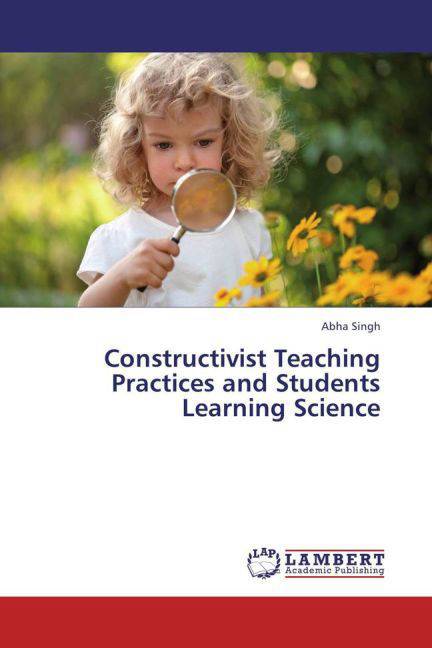
A constructivist learning environment has been explored as a way to assist students in achieving greater success with learning science. With regard to teaching science, research has focused primarily on developing constructivist learning environments which has been a major factor affecting student learning positively (Ogbuehi & Fraser, 2007). A constructivist epistemology focuses on the construction of reality through the senses (Kim, Fisher, & Fraser, 1999; Wheatley, 1991). This study also indicates the power and influence of exceptional teachers in working with other teachers.It suggests that science teaching can be like science itself encouraging ideas for changes and improvements, devising Action Research Projects to collect evidence of successes (and failures), and reporting on positive results as recognition of real success over time. It is a way of informing and encouraging such changes on the part of other teachers.
Specificaties
Betrokkenen
- Auteur(s):
- Uitgeverij:
Inhoud
- Aantal bladzijden:
- 72
- Taal:
- Engels
Eigenschappen
- Productcode (EAN):
- 9783659449574
- Verschijningsdatum:
- 17/08/2013
- Uitvoering:
- Paperback
- Afmetingen:
- 150 mm x 220 mm
- Gewicht:
- 118 g


Alleen bij Standaard Boekhandel
+ 56 punten op je klantenkaart van Standaard Boekhandel
Cadeau

AANGERADEN


Beoordelingen
We publiceren alleen reviews die voldoen aan de voorwaarden voor reviews. Bekijk onze voorwaarden voor reviews.