


- Afhalen na 1 uur in een winkel met voorraad
- Gratis thuislevering in België vanaf € 30
- Ruim aanbod met 7 miljoen producten
- Afhalen na 1 uur in een winkel met voorraad
- Gratis thuislevering in België vanaf € 30
- Ruim aanbod met 7 miljoen producten





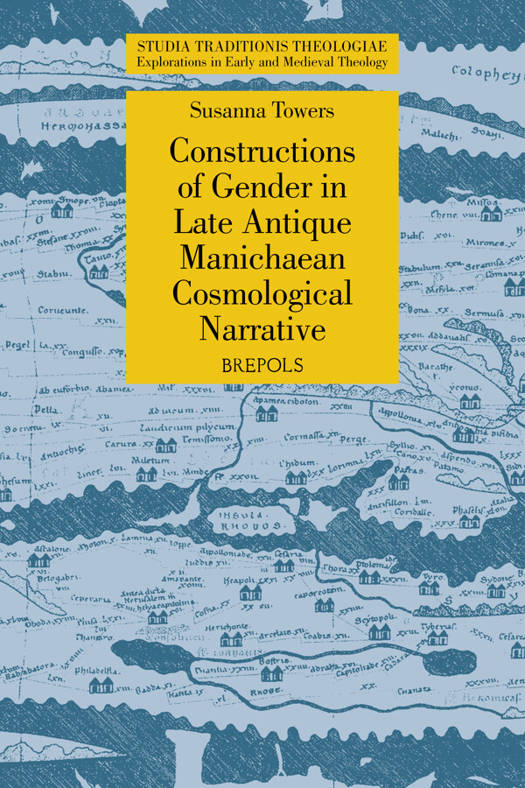
Constructions of Gender in Late Antique Manichaean Cosmological Narrative
S Towers
€ 79,50
+ 159 punten
Omschrijving
Manichaeism emerged from Sasanian Persia in the third century CE and flourished in Persia, the Roman Empire, Central Asia and beyond until succumbing to persecution from rival faiths in the eighth to ninth century. Its founder, Mani, claimed to be the final embodiment of a series of prophets sent over time to expound divine wisdom. This monograph explores the constructions of gender embedded in Mani's colourful dualist cosmological narrative, in which a series of gendered divinities are in conflict with the demonic beings of the Kingdom of Darkness. The Jewish and Gnostic roots of Mani's literary constructions of gender are examined in parallel with Sasanian societal expectations. Reconstructions of gender in subsequent Manichaean literature reflect the changing circumstances of the Manichaean community. As the first major study of gender in Manichaean literature, this monograph draws upon established approaches to the study of gender in late antique religious literature, to present a portrait of a historically maligned and persecuted religious community.
Specificaties
Betrokkenen
- Auteur(s):
- Uitgeverij:
Inhoud
- Aantal bladzijden:
- 324
- Taal:
- Engels
- Reeks:
- Reeksnummer:
- nr. 34
Eigenschappen
- Productcode (EAN):
- 9782503586663
- Verschijningsdatum:
- 12/12/2019
- Uitvoering:
- Paperback
- Formaat:
- Trade paperback (VS)
- Afmetingen:
- 155 mm x 229 mm
- Gewicht:
- 566 g


Alleen bij Standaard Boekhandel
+ 159 punten op je klantenkaart van Standaard Boekhandel
Cadeau

AANGERADEN


Beoordelingen
We publiceren alleen reviews die voldoen aan de voorwaarden voor reviews. Bekijk onze voorwaarden voor reviews.