


- Afhalen na 1 uur in een winkel met voorraad
- Gratis thuislevering in België vanaf € 30
- Ruim aanbod met 7 miljoen producten
- Afhalen na 1 uur in een winkel met voorraad
- Gratis thuislevering in België vanaf € 30
- Ruim aanbod met 7 miljoen producten





€ 124,45
+ 248 punten
Uitvoering
Omschrijving
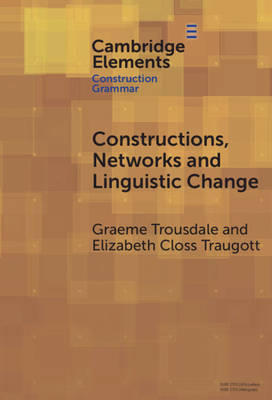
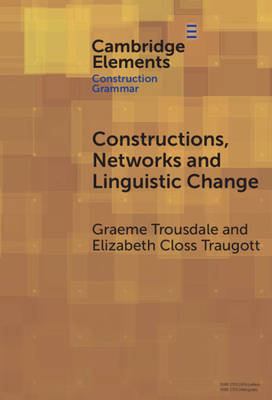
The topic of linguistic networks unites different frameworks in cognitive linguistics. This Element explores two approaches to networks, specifically Construction Grammar of the Goldberg variety and Word Grammar as developed by Hudson, and how they inform work on language change. Both are usage-based theories, but while the basic units of Construction Grammar are conventionalized form-meaning pairings gathered in a construct-i-con, the basic units of Word Grammar are words in dependency and other relations. Construction Grammar allows for schematic, hierarchized abstract generalizations attributable to social groups, whereas Word Grammar focuses on relations at the micro-level and attributable primarily to individuals. Consequences of the differences are discussed with reference to perspectives on the diachronic development of causal connectives in English, especially because.
Specificaties
Betrokkenen
- Auteur(s):
- Uitgeverij:
Inhoud
- Aantal bladzijden:
- 84
- Taal:
- Engels
- Reeks:
Eigenschappen
- Productcode (EAN):
- 9781009523783
- Verschijningsdatum:
- 21/05/2026
- Uitvoering:
- Hardcover
- Formaat:
- Genaaid
- Afmetingen:
- 152 mm x 229 mm
- Gewicht:
- 285 g


Alleen bij Standaard Boekhandel
+ 248 punten op je klantenkaart van Standaard Boekhandel
Cadeau

AANGERADEN


Beoordelingen
We publiceren alleen reviews die voldoen aan de voorwaarden voor reviews. Bekijk onze voorwaarden voor reviews.