


- Afhalen na 1 uur in een winkel met voorraad
- Gratis thuislevering in België vanaf € 30
- Ruim aanbod met 7 miljoen producten
- Afhalen na 1 uur in een winkel met voorraad
- Gratis thuislevering in België vanaf € 30
- Ruim aanbod met 7 miljoen producten





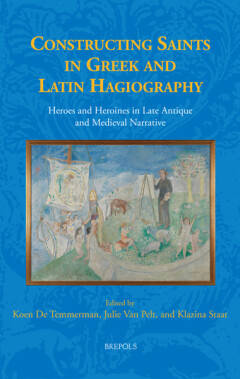
Constructing Saints in Greek and Latin Hagiography
Heroes and Heroines in Late Antique and Medieval Narrative
Koen De Temmerman
€ 74,20
+ 148 punten
Omschrijving
This book explores representations of saints in a variety of Latin and Greek late antique hagiographical narratives, such as saints' Lives, martyr acts, miracle collections, and edifying tales. The book examines techniques through which the saints featured in such texts are depicted as heroes and heroines, i.e., as extraordinary characters exhibiting both exemplary behaviour and a set of specific qualities that distinguish them from others. The book inscribes itself in a growing body of relatively recent scholarship that approaches hagiographical accounts not just as historical sources but also as narrative constructions. As such, it contributes to the development of a scholarly rationale which increasingly values imaginative and fictional aspects of hagiography in their own right, with the aim of answering broader questions about narrative creativity and ideology. For instance, individual chapters examine how hagiographical accounts mobilize and capitalize on earlier literary and rhetorical traditions or narrative models. These questions are specifically addressed to explore the narrative construction of characters. The chapters thereby encourage us to acknowledge that many hagiographers were more skilful than is often accepted.
Specificaties
Betrokkenen
- Auteur(s):
- Uitgeverij:
Inhoud
- Aantal bladzijden:
- 182
- Taal:
- Frans
- Reeks:
- Reeksnummer:
- nr. 2
Eigenschappen
- Productcode (EAN):
- 9782503602820
- Verschijningsdatum:
- 27/03/2023
- Uitvoering:
- Hardcover
- Formaat:
- Genaaid
- Afmetingen:
- 163 mm x 241 mm
- Gewicht:
- 453 g


Alleen bij Standaard Boekhandel
+ 148 punten op je klantenkaart van Standaard Boekhandel
Cadeau

AANGERADEN


Beoordelingen
We publiceren alleen reviews die voldoen aan de voorwaarden voor reviews. Bekijk onze voorwaarden voor reviews.