


- Afhalen na 1 uur in een winkel met voorraad
- Gratis thuislevering in België vanaf € 30
- Ruim aanbod met 7 miljoen producten
- Afhalen na 1 uur in een winkel met voorraad
- Gratis thuislevering in België vanaf € 30
- Ruim aanbod met 7 miljoen producten





Omschrijving
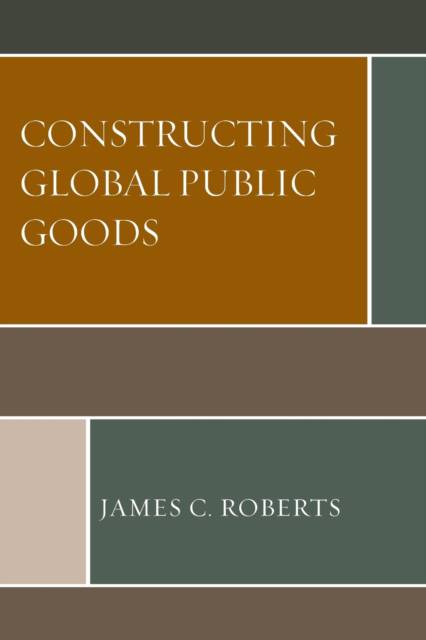
Why do international actors provide global public goods when they could free-ride on the production of others? Constructing Global Public Goods examines this question by understanding the identities and preferences of the actors. Most rational choice models of public goods explain the public goods decision by examining the strategic interactions among the actors. They generally avoid the question of how utilities and preferences are formed. Constructing Global Public Goods brings a constructivist approach to the study of public goods by recognizing that the actors' utilities and preferences are socially constructed from the identities the actors take on in the choice situation. The book develops a formal model that links the interpretation of unobserved utilities to preferences for the public goods outcome. It then applies the model to case studies on global monetary management, collective security, and protecting human rights. Bringing constructivism into the public goods decision allows the analysis to look beyond the limited Prisoner's Dilemma based model of most rational choice approaches and recognizes that the decision whether or not to produce a global public good is a complex web of social, political and cultural factors.
Specificaties
Betrokkenen
- Auteur(s):
- Uitgeverij:
Inhoud
- Aantal bladzijden:
- 164
- Taal:
- Engels
Eigenschappen
- Productcode (EAN):
- 9781498553582
- Verschijningsdatum:
- 28/03/2023
- Uitvoering:
- Paperback
- Formaat:
- Trade paperback (VS)
- Afmetingen:
- 152 mm x 229 mm
- Gewicht:
- 226 g



Alleen bij Standaard Boekhandel
+ 138 punten op je klantenkaart van Standaard Boekhandel
Cadeau

AANGERADEN


Beoordelingen
We publiceren alleen reviews die voldoen aan de voorwaarden voor reviews. Bekijk onze voorwaarden voor reviews.