


- Afhalen na 1 uur in een winkel met voorraad
- Gratis thuislevering in België vanaf € 30
- Ruim aanbod met 7 miljoen producten
- Afhalen na 1 uur in een winkel met voorraad
- Gratis thuislevering in België vanaf € 30
- Ruim aanbod met 7 miljoen producten





€ 74,20
+ 148 punten
Omschrijving
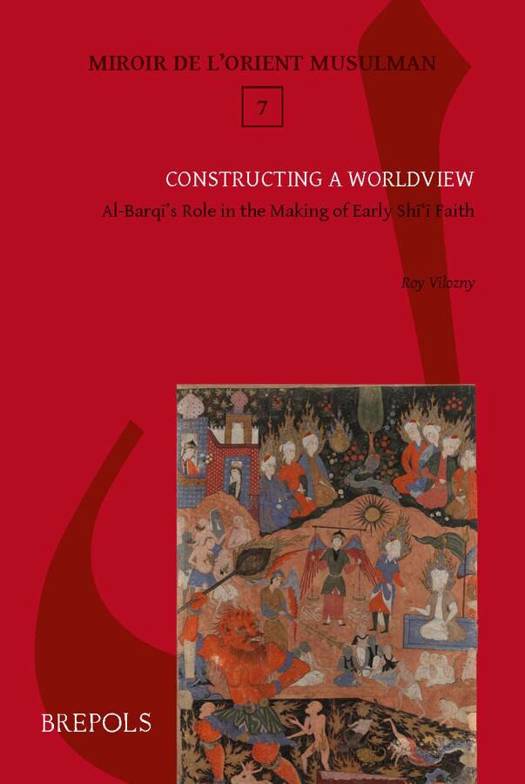
About a century before the four canonical books of the Shia were composed, Ahmad b. Muhammad al-Barqi (d. 888 or 894 CE), a scholar from the city of Qum, compiled a large collection of Imamite traditions embracing all aspects of religious life, from cosmogony and cosmology to the minutest details of daily life. This compilation, of which only ten percent has come down to us, forms one of the earliest Shiite texts extant, and is the basis for Dr. Vilozny's delineation of the Shiite worldview in this formative, pre-Twelver era. Shiite ideology, the author argues, did not grow in a vacuum but resulted from the fusion of Islamic Arab elements with pre-Islamic Near Eastern mythic and gnostic traditions. The book discusses at length three fundamental notions which permeate every part of al-Barqi's work: the Shia are God's elect; an eternal fierce battle is waged between good and evil on both the universal and individual levels; and the history of humankind, from before creation to the end of time, was predetermined by God. As shown by the author, the Shiite attempt to accommodate all three ideas within its world perception often resulted in glaring contradictions to which only partial solutions could be provided at the time.
Specificaties
Betrokkenen
- Auteur(s):
- Uitgeverij:
Inhoud
- Aantal bladzijden:
- 224
- Taal:
- Engels
- Reeks:
- Reeksnummer:
- nr. 7
Eigenschappen
- Productcode (EAN):
- 9782503560908
- Verschijningsdatum:
- 23/11/2017
- Uitvoering:
- Paperback
- Formaat:
- Trade paperback (VS)
- Afmetingen:
- 155 mm x 234 mm
- Gewicht:
- 385 g



Alleen bij Standaard Boekhandel
+ 148 punten op je klantenkaart van Standaard Boekhandel
Cadeau

AANGERADEN


Beoordelingen
We publiceren alleen reviews die voldoen aan de voorwaarden voor reviews. Bekijk onze voorwaarden voor reviews.