


- Afhalen na 1 uur in een winkel met voorraad
- Gratis thuislevering in België vanaf € 30
- Ruim aanbod met 7 miljoen producten
- Afhalen na 1 uur in een winkel met voorraad
- Gratis thuislevering in België vanaf € 30
- Ruim aanbod met 7 miljoen producten





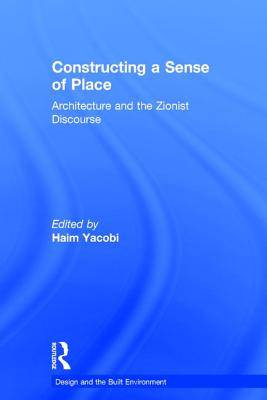
Constructing a Sense of Place
Architecture and the Zionist Discourse
€ 305,45
+ 610 punten
Omschrijving
By providing an innovative new perspective on how the Israeli state had developed, this book sheds light on how architecture shapes national identity in any post-colonial and settler state. While it is widely recognized that architects and their architecture play a key role in constructing a sense of place, the inherent nexus between an architectural ideology and the production of national space and place has so far been neglected. By focusing on the Zionist ideology, this book brings together practising architects and academics to critically examine the role of architects, architecture and spatial practices as mediators between national ideology and the politicization of space.
Specificaties
Betrokkenen
- Uitgeverij:
Inhoud
- Aantal bladzijden:
- 370
- Taal:
- Engels
- Reeks:
Eigenschappen
- Productcode (EAN):
- 9780754634270
- Verschijningsdatum:
- 17/05/2004
- Uitvoering:
- Hardcover
- Formaat:
- Genaaid
- Afmetingen:
- 156 mm x 234 mm
- Gewicht:
- 693 g

Alleen bij Standaard Boekhandel
+ 610 punten op je klantenkaart van Standaard Boekhandel
Cadeau

AANGERADEN


Beoordelingen
We publiceren alleen reviews die voldoen aan de voorwaarden voor reviews. Bekijk onze voorwaarden voor reviews.