


- Afhalen na 1 uur in een winkel met voorraad
- Gratis thuislevering in België vanaf € 30
- Ruim aanbod met 7 miljoen producten
- Afhalen na 1 uur in een winkel met voorraad
- Gratis thuislevering in België vanaf € 30
- Ruim aanbod met 7 miljoen producten





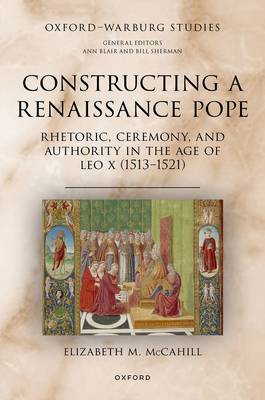
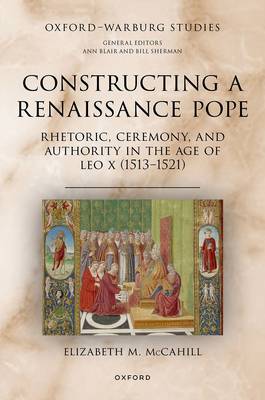
Constructing a Renaissance Pope
Rhetoric, Ceremony, and Authority in the Age of Leo X (1513-1521)
Elizabeth M McCahill
€ 191,45
+ 382 punten
Eenvoudig bestellen
Veilig betalen


Gratis thuislevering vanaf € 30 (via bpost)
Gratis levering in je Standaard Boekhandel
Omschrijving
Constructing a Renaissance Pope: Rhetoric, Ceremony, and Authority in the Age of Leo X (1513-1521) examines the rhetoric and ceremony of the papal court during the pontificate of Pope Leo X (1513-1521). The son of Lorenzo de' Medici, Leo has been celebrated for bringing a Golden Age of cultural efflorescence to Renaissance Rome, but he has also been excoriated for the prodigality, nepotism, and corruption that provoked Martin Luther first to criticize and then to split from the church. This study does not focus on Leo as a historical individual but analyses the collaborative efforts of curial officials, humanists, and ceremonial experts to construct his image. Although personal loyalty and private self-interest motivated these bureaucrats and scholars, so too did commitment to a traditional vision of papal authority, a vision facing new challenges in an era of rapid spiritual, social, and political change. Weaving together material from the diaries and manuals of Paris de' Grassi, the papal Master of Ceremonies, and a variety of letters, orations, and other humanist texts, the book situates papal image-making techniques within the broader context of Renaissance culture. It argues that the scripted rites and Ciceronian rhetoric on which the papal court spent so much time and money served as tools of persuasion, creating a rarefied arena in which power, hierarchy, and tradition were continually negotiated. By embedding curial activities within the geopolitical and cultural landscape of early sixteenth-century Europe, the book illuminates the tension between the mystique of traditional authority and the new technologies, political norms, and religious dissent that conspired to destabilize the papal role.
Specificaties
Betrokkenen
- Auteur(s):
- Uitgeverij:
Inhoud
- Aantal bladzijden:
- 368
- Taal:
- Engels
- Reeks:
Eigenschappen
- Productcode (EAN):
- 9780197903773
- Verschijningsdatum:
- 1/01/2027
- Uitvoering:
- Hardcover
- Formaat:
- Genaaid
- Afmetingen:
- 156 mm x 234 mm


Alleen bij Standaard Boekhandel
+ 382 punten op je klantenkaart van Standaard Boekhandel
CADEAU

AANGERADEN


Beoordelingen
We publiceren alleen reviews die voldoen aan de voorwaarden voor reviews. Bekijk onze voorwaarden voor reviews.