


- Afhalen na 1 uur in een winkel met voorraad
- Gratis thuislevering in België vanaf € 30
- Ruim aanbod met 7 miljoen producten
- Afhalen na 1 uur in een winkel met voorraad
- Gratis thuislevering in België vanaf € 30
- Ruim aanbod met 7 miljoen producten





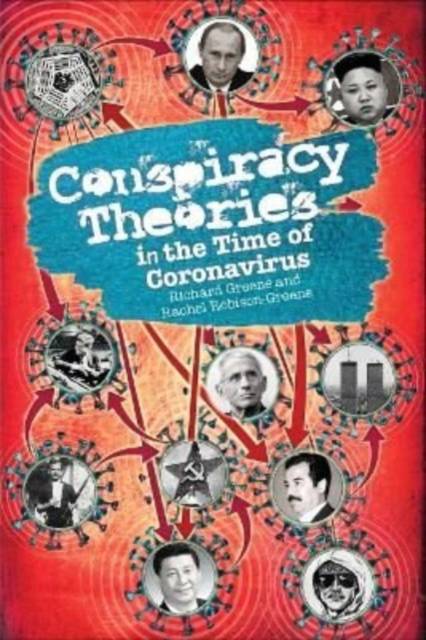
Conspiracy Theories in the Time of Coronavirus: A Philosophical Treatment
A Philosophical Treatment
Rachel Robison-Greene, Richard Greene
Paperback | Engels
€ 22,45
+ 44 punten
Omschrijving
Microchips, government-replaced bird drones, QAnon and vaccine tracers: these are just a few of the most common conspiracies we have heard over and over again throughout most of 2020-2021's news cycles. There are common categories of conspiracy theories, variants of which pop up over and over again, and new and outrageous theories that seemingly appear overnight. While most of them are easily debunked, conspiracy theories and their root causes can be used to closely track people's most significant philosophical concerns at a point in time. In this up-to-date study of conspiracy theories, the authors look at the history of conspiracy theories, discuss the history and hallmarks of such theories, and examine what counts as a conspiracy theory--and what doesn't.
Specificaties
Betrokkenen
- Auteur(s):
- Uitgeverij:
Inhoud
- Aantal bladzijden:
- 240
- Taal:
- Engels
Eigenschappen
- Productcode (EAN):
- 9781637700068
- Verschijningsdatum:
- 14/06/2022
- Uitvoering:
- Paperback
- Formaat:
- Trade paperback (VS)
- Afmetingen:
- 152 mm x 228 mm
- Gewicht:
- 317 g



Alleen bij Standaard Boekhandel
+ 44 punten op je klantenkaart van Standaard Boekhandel
Cadeau

AANGERADEN


Beoordelingen
We publiceren alleen reviews die voldoen aan de voorwaarden voor reviews. Bekijk onze voorwaarden voor reviews.