



Je cadeautjes zeker op tijd in huis hebben voor de feestdagen? Kom langs in onze winkels en vind het perfecte geschenk!
- Afhalen na 1 uur in een winkel met voorraad
- Gratis thuislevering in België vanaf € 30
- Ruim aanbod met 7 miljoen producten
Je cadeautjes zeker op tijd in huis hebben voor de feestdagen? Kom langs in onze winkels en vind het perfecte geschenk!
- Afhalen na 1 uur in een winkel met voorraad
- Gratis thuislevering in België vanaf € 30
- Ruim aanbod met 7 miljoen producten





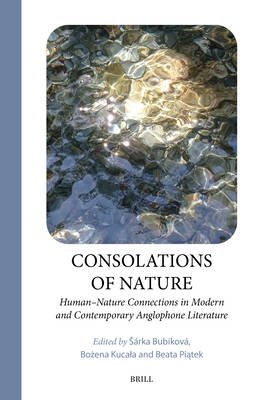
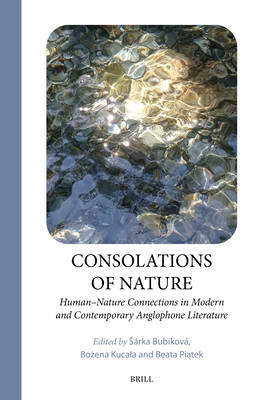
Consolations of Nature
Human-Nature Connections in Modern and Contemporary Anglophone Literature
€ 163,45
+ 326 punten
Omschrijving
Amidst the ongoing ecological crisis and other civilisational threats, this book adopts a tentatively optimistic and affirmative attitude to human-nature relations. The selection of early twentieth- and twenty-first century texts analysed by the contributors offers instances of the hopeful and restorative effects of human-nature encounters. Uniquely invoking the traditional concept of consolation, the authors demonstrate that the (re)turn to nature, which is typically a response to a personal or social challenge, takes different forms, ranging from nostalgia, escapism, anthropomorphic fantasies, transformative immersion in the wild coupled with environmental concerns, to personal testimonies, fictions about gardening, conservation, and environmental justice. From Conrad's nostalgic yearning for the natural harmony inherent to sailing, the Kibbo Kift movement as a post-World War I programme of physical and moral regeneration, to contemporary celebration of a feminist hydrocommons and Black American farmers seeking justice through cultivating land, the chapters explore various attempts at overcoming the human-nature dualism, which, ultimately, inspires a cautiously hopeful outlook.
Specificaties
Betrokkenen
- Uitgeverij:
Inhoud
- Aantal bladzijden:
- 242
- Taal:
- Engels
- Reeks:
- Reeksnummer:
- nr. 20
Eigenschappen
- Productcode (EAN):
- 9789004744103
- Verschijningsdatum:
- 18/12/2025
- Uitvoering:
- Hardcover
- Formaat:
- Genaaid
- Afmetingen:
- 155 mm x 235 mm

Alleen bij Standaard Boekhandel
+ 326 punten op je klantenkaart van Standaard Boekhandel
CADEAU


Beoordelingen
We publiceren alleen reviews die voldoen aan de voorwaarden voor reviews. Bekijk onze voorwaarden voor reviews.