


- Afhalen na 1 uur in een winkel met voorraad
- Gratis thuislevering in België vanaf € 30
- Ruim aanbod met 7 miljoen producten
- Afhalen na 1 uur in een winkel met voorraad
- Gratis thuislevering in België vanaf € 30
- Ruim aanbod met 7 miljoen producten





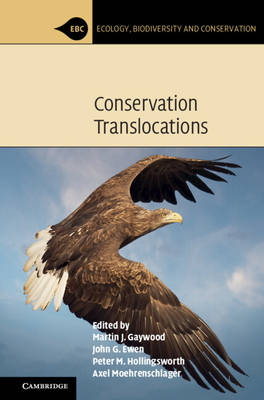
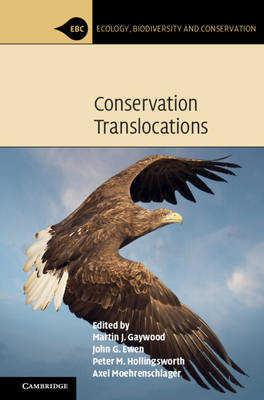
Conservation Translocations
€ 191,95
+ 383 punten
Eenvoudig bestellen
Veilig betalen


Gratis thuislevering vanaf € 30 (via bpost)
Gratis levering in je Standaard Boekhandel
Omschrijving
Conservation translocation - the movement of species for conservation benefit - includes reintroducing species into the wild, reinforcing dwindling populations, helping species shift ranges in the face of environmental change, and moving species to enhance ecosystem function. Conservation translocation can lead to clear conservation benefits and can excite and engage a broad spectrum of people. However, these projects are often complex and involve careful consideration and planning of biological and socio-economic issues. This volume draws on the latest research and experience of specialists from around the world to help provide guidance on best practice and to promote thinking over how conservation translocations can continue to be developed. The key concepts cover project planning, biological and social factors influencing the efficacy of translocations, and how to deal with complex decision-making. This book aims to inspire, inform and help practitioners maximise their chances of success, and minimise the risks of failure.
Specificaties
Betrokkenen
- Uitgeverij:
Inhoud
- Aantal bladzijden:
- 400
- Taal:
- Engels
- Reeks:
Eigenschappen
- Productcode (EAN):
- 9781108494465
- Verschijningsdatum:
- 22/12/2022
- Uitvoering:
- Hardcover
- Formaat:
- Genaaid
- Afmetingen:
- 148 mm x 224 mm
- Gewicht:
- 975 g

Alleen bij Standaard Boekhandel
+ 383 punten op je klantenkaart van Standaard Boekhandel
CADEAU

AANGERADEN


Beoordelingen
We publiceren alleen reviews die voldoen aan de voorwaarden voor reviews. Bekijk onze voorwaarden voor reviews.