


- Afhalen na 1 uur in een winkel met voorraad
- Gratis thuislevering in België vanaf € 30
- Ruim aanbod met 7 miljoen producten
- Afhalen na 1 uur in een winkel met voorraad
- Gratis thuislevering in België vanaf € 30
- Ruim aanbod met 7 miljoen producten





€ 30,45
+ 60 punten
Uitvoering
Eenvoudig bestellen
Veilig betalen


Gratis thuislevering vanaf € 30 (via bpost)
Gratis levering in je Standaard Boekhandel
Omschrijving
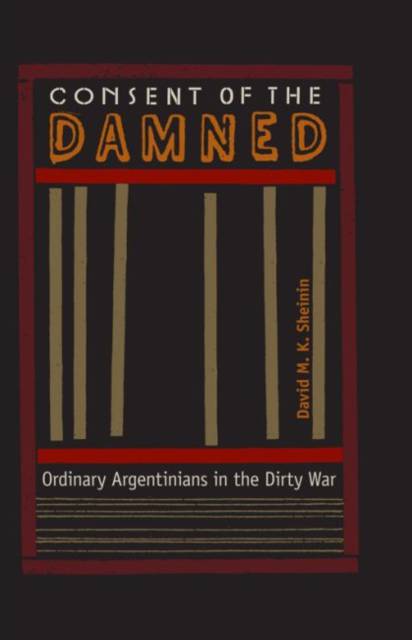
"Provides an incredibly provocative and comprehensive analysis. Wonderfully readable and fast paced."--Kristin Ruggiero, University of Wisconsin-Milwaukee "Focuses on historical reality versus historical memory in an innovative way that poses some vital questions concerning the Argentine people's relationship with the dictatorship that involved a larger measure of consent or acquiescence than previous scholars, analyses, and political groups have been willing either to admit or to explore. Sheinin does a fine job in conveying this ambiguity of the majority population toward dictatorial rule. An excellent and original piece of work."--Michael E. Donoghue, Marquette University Under violent military dictatorship, Operation Condor and the Dirty War scarred Argentina from the mid-1970s to the early 1980s, leaving behind a legacy of repression, state terror, and political murder. Even today, the now-democratic Argentine government attempts to repair the damage of these atrocities by making human rights a policy priority. But what about the other Dirty War, during which Argentine civilians--including indigenous populations--and foreign powers ignored and even abetted the state's vicious crimes against humanity? In this groundbreaking new work, David Sheinin draws on previously classified Argentine government documents, human rights lawsuits, and archived propaganda to illustrate the military-constructed fantasy of bloodshed as a public defense of human rights. Exploring the reactions of civilians and the international community to the daily carnage, Sheinin unearths how compliance with the dictatorship perpetuated the violence that defined a nation. This new approach to the history of human rights in Argentina will change how we understand dictatorship, democracy, and state terror. David M. K. Sheinin, professor of history at Trent University, is the author of five books, including Argentina and the United States: An Alliance Contained.
Specificaties
Betrokkenen
- Auteur(s):
- Uitgeverij:
Inhoud
- Aantal bladzijden:
- 224
- Taal:
- Engels
Eigenschappen
- Productcode (EAN):
- 9780813049618
- Verschijningsdatum:
- 15/10/2013
- Uitvoering:
- Paperback
- Formaat:
- Trade paperback (VS)
- Afmetingen:
- 152 mm x 229 mm
- Gewicht:
- 340 g


Alleen bij Standaard Boekhandel
+ 60 punten op je klantenkaart van Standaard Boekhandel
CADEAU

AANGERADEN


Beoordelingen
We publiceren alleen reviews die voldoen aan de voorwaarden voor reviews. Bekijk onze voorwaarden voor reviews.