



- Afhalen na 1 uur in een winkel met voorraad
- In januari gratis thuislevering in België
- Ruim aanbod met 7 miljoen producten
- Afhalen na 1 uur in een winkel met voorraad
- In januari gratis thuislevering in België
- Ruim aanbod met 7 miljoen producten




€ 32,45
+ 64 punten
Omschrijving
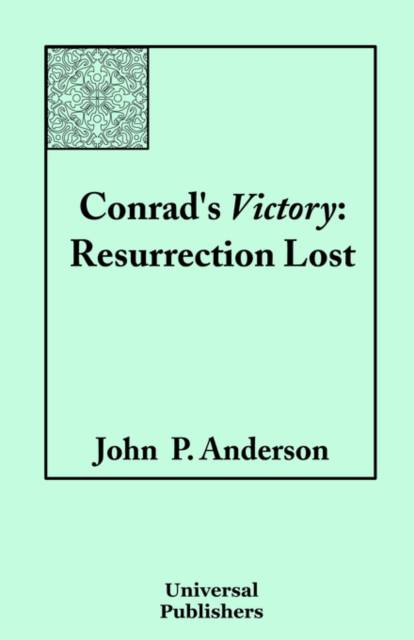
This is a detailed reader's guide to the power of Conrad's novel Victory. This non-academic author analyzes Conrad's format as a conflict between the life philosophies of Buddhist separation and Holy Spirit connection, a conflict played out dramatically in the emotional relationship of one man and one woman living on a remote south sea island. Anderson identifies the major themes as follows. Baron Axel Heyst, living alone to avoid emotional entanglements, nonetheless rescues Lena from a touring orchestra, and they escape to live together 24/7 on his remote island. Lena's connection to Heyst matures from initial interest to sexual love to selfless or spiritual love. But Heyst's response to her remains stuck in sexual possession. Given this failure of love connection, representatives of evil arrive on the island shortly thereafter. The victory of the title is Lena's victory over the fear of death that generates the selfish "me first" attitude in humans. Grounded in love for Heyst, she achieves a permanent and real sense of self and an ability to deal with evil. Finally the Holy Spirit force field powers her ultimate sacrifice for Heyst. He remains self-possessed, ultimately giving nothing of himself to Lena, but ironically without a secure sense of self or the ability to deal with evil. This author sees Conrad's large structure for Heyst's failure of the spirit as the biblical account of Mary Magdalene's part in the Resurrection of Christ. Heyst's failure to love Lena is his resurrection lost. This author also analyzes the sophisticated art of this novel as an unfolding from stem-cell metaphors into more specialized metaphors producing a powerful artistic victory.
Specificaties
Betrokkenen
- Auteur(s):
- Uitgeverij:
Inhoud
- Aantal bladzijden:
- 200
- Taal:
- Engels
Eigenschappen
- Productcode (EAN):
- 9781581125153
- Verschijningsdatum:
- 1/08/2004
- Uitvoering:
- Paperback
- Formaat:
- Trade paperback (VS)
- Afmetingen:
- 140 mm x 216 mm
- Gewicht:
- 258 g



Alleen bij Standaard Boekhandel
+ 64 punten op je klantenkaart van Standaard Boekhandel
Cadeau

AANGERADEN


Beoordelingen
We publiceren alleen reviews die voldoen aan de voorwaarden voor reviews. Bekijk onze voorwaarden voor reviews.