


- Afhalen na 1 uur in een winkel met voorraad
- Gratis thuislevering in België vanaf € 30
- Ruim aanbod met 7 miljoen producten
- Afhalen na 1 uur in een winkel met voorraad
- Gratis thuislevering in België vanaf € 30
- Ruim aanbod met 7 miljoen producten




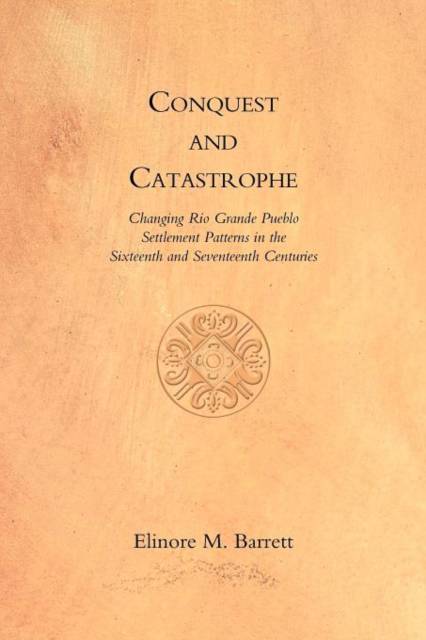
Conquest and Catastrophe
Changing Rio Grande Pueblo Settlement Patterns in the Sixteenth and Seventeenth Centuries
Elinore M Barrett
Paperback | Engels
€ 46,45
+ 92 punten
Uitvoering
Omschrijving
This book forces a rethinking of our understanding of the Pueblo Indians of New Mexico between the beginning of Spanish exploration in 1540 and the aftermath of revolt and reconquest at the end of the 1600s. Specifically, Pueblo losses of settlements and population are reinterpreted in a masterful synthesis of history, archaeology, and human geography, including discussion of the natural environment based on paleoclimate reconstructions. Barrett shows that the greatest loss of Pueblo settlements occurred in the 1630s when 51 percent of the Rio Grande pueblos were abandoned in the wake of Spanish colonization and mission building that began in 1600. Between 1600 and the revolt of 1680 the number dropped by 62 percent, from 81 to 31 pueblos. By providing the first multifaceted and holistic account of Pueblo settlements in the Rio Grande region over a period of 160 years, Barrett offers a new perspective on the dynamics of Pueblo-Spanish interactions. Spanish exploitation and disruption of the Pueblo economy, Apachean raids, and the impact of droughts are re-assessed. But a major epidemic from 1636-40 likely proved the most crucial factor in the reduction of Pueblo population and settlements. Moreover, the gradual realization of the extent of their losses and grasping what it would mean for their continued existence was probably the most important factor, more than religious or civil persecution, in galvanizing the Pueblo peoples to achieve the unprecedented unity that made possible their successful uprising in 1680. They were unable to sustain this unity when the Spanish returned in 1692 and suffered further losses of pueblos, population, and territory as a result of the reconquest. "No serious future work on the Pueblos can be undertaken without reference to this one. The text, simply put, clarifies the entire framework of early Spanish-Indian relations."--Marc Simmons
Specificaties
Betrokkenen
- Auteur(s):
- Uitgeverij:
Inhoud
- Aantal bladzijden:
- 192
- Taal:
- Engels
Eigenschappen
- Productcode (EAN):
- 9780826324122
- Verschijningsdatum:
- 1/05/2002
- Uitvoering:
- Paperback
- Formaat:
- Trade paperback (VS)
- Afmetingen:
- 152 mm x 229 mm
- Gewicht:
- 290 g


Alleen bij Standaard Boekhandel
+ 92 punten op je klantenkaart van Standaard Boekhandel
Cadeau

AANGERADEN


Beoordelingen
We publiceren alleen reviews die voldoen aan de voorwaarden voor reviews. Bekijk onze voorwaarden voor reviews.