


- Afhalen na 1 uur in een winkel met voorraad
- Gratis thuislevering in België vanaf € 30
- Ruim aanbod met 7 miljoen producten
- Afhalen na 1 uur in een winkel met voorraad
- Gratis thuislevering in België vanaf € 30
- Ruim aanbod met 7 miljoen producten





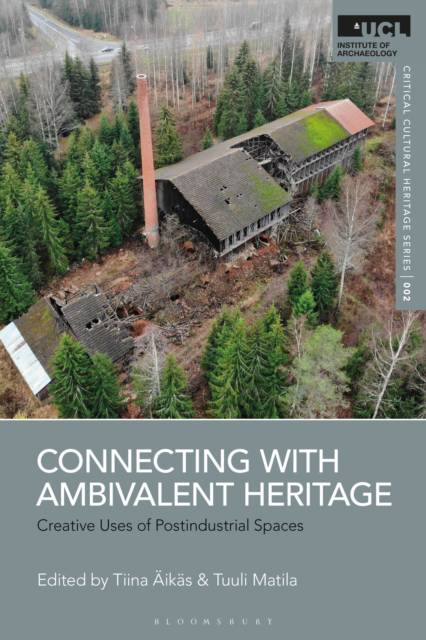
Connecting with Ambivalent Heritage
Creative Uses of Postindustrial Spaces
€ 67,95
+ 135 punten
Eenvoudig bestellen
Veilig betalen


Gratis thuislevering vanaf € 30 (via bpost)
Gratis levering in je Standaard Boekhandel
Omschrijving
Exploring the difficult and contested sites of deindustrialized society on the brink of transformation to either heritage or wasteland, this open access volume looks at the creative ways that such sites are (re)used and suggests that they are not always merely abject or abandoned. As a result, our understanding of the meanings given to left over spaces is enhanced by an examination of the ways they are used.
Ambivalent heritage sites are not always recognized for their potential, although artists and people from different recreational activities, such as industrial sites and parkour, use and experience these places in different ways. The contributors introduce fresh ideas on how to approach these sites and the people invested in them, employing multidisciplinary methodologies from archaeology and heritage studies to ethnography and sociology. Through the use of Northern-European case studies such as a former sanatorium, a prison and the Chornobyl Exclusion Zone, the reader gains a new perspective on these sites of contestation, which are cherished despite their problematic status. The conclusion is that due to the rapid societal change we are experiencing in the contemporary world, heritage professionals must start to acknowledge and deal with the difficulties that ambivalent heritage sites pose. The ebook editions of this book are available open access under a CC BY-NC-ND 4.0 licence on bloomsburycollections.com. Open access was funded by University of Oulu.Specificaties
Betrokkenen
- Uitgeverij:
Inhoud
- Aantal bladzijden:
- 264
- Taal:
- Engels
- Reeks:
Eigenschappen
- Productcode (EAN):
- 9781350426788
- Verschijningsdatum:
- 19/03/2026
- Uitvoering:
- Paperback
- Formaat:
- Trade paperback (VS)
- Afmetingen:
- 156 mm x 234 mm
- Gewicht:
- 367 g

Alleen bij Standaard Boekhandel
+ 135 punten op je klantenkaart van Standaard Boekhandel
CADEAU

AANGERADEN


Beoordelingen
We publiceren alleen reviews die voldoen aan de voorwaarden voor reviews. Bekijk onze voorwaarden voor reviews.