


- Afhalen na 1 uur in een winkel met voorraad
- Gratis thuislevering in België vanaf € 30
- Ruim aanbod met 7 miljoen producten
- Afhalen na 1 uur in een winkel met voorraad
- Gratis thuislevering in België vanaf € 30
- Ruim aanbod met 7 miljoen producten





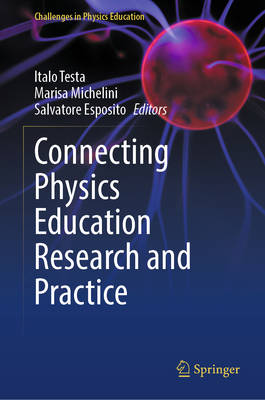
Connecting Physics Education Research and Practice
€ 140,95
+ 281 punten
Omschrijving
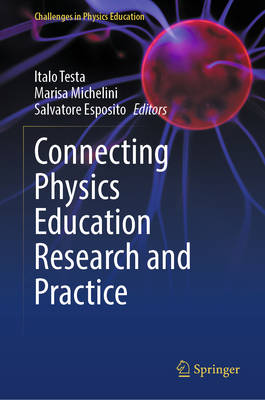
This book presents a selection of the most recent research results from the Italian physics education research community, aimed at enhancing the teaching and learning of physics. The motivation for this publication arises from the lack of a comprehensive reference for teachers on research results in physics education. Despite various physics curriculum reform initiatives, such as the introduction of modern physics into high school curricula, their effectiveness in improving the quality of physics teaching in schools has been limited. The book offers a contextualized view of the main topics in physics education, along with a comprehensive overview of the current challenges faced by physics education in Italy and abroad. It also presents research findings that could potentially enhance students' learning of physics. Throughout the book, the implications of these studies are outlined, acknowledging issues and knowledge gaps that will guide future research in physics education. Specifically, rather than covering all the contents addressed in the physics curriculum, the book presents research contributions that suggest potentially effective strategies, methods, and practices at different school levels, from primary school to secondary school and university level. Regarding physics content, the book presents teaching proposals highlighting conceptual aspects and exemplary methodologies of interpretation in physics, such as the physics of fluids and quantum mechanics. It also includes research contributions on different methods and proposals for implementing practical activities, reflecting on the role of the laboratory in learning the discipline and providing examples of integrating experimental and cognitive skills. The book also addresses the role of affective variables, such as physics identity, self-efficacy, and attitudes toward physics in the learning process. Additionally, studies on teachers' professional development are presented, which can inform the design of proposals for educational paths and methods, within a framework of close collaboration between schools and physics departments.
Specificaties
Betrokkenen
- Uitgeverij:
Inhoud
- Aantal bladzijden:
- 276
- Taal:
- Engels
- Reeks:
Eigenschappen
- Productcode (EAN):
- 9783031866081
- Verschijningsdatum:
- 15/07/2025
- Uitvoering:
- Hardcover
- Formaat:
- Genaaid
- Afmetingen:
- 156 mm x 234 mm
- Gewicht:
- 580 g

Alleen bij Standaard Boekhandel
+ 281 punten op je klantenkaart van Standaard Boekhandel
AANGERADEN


Beoordelingen
We publiceren alleen reviews die voldoen aan de voorwaarden voor reviews. Bekijk onze voorwaarden voor reviews.