


- Afhalen na 1 uur in een winkel met voorraad
- Gratis thuislevering in België vanaf € 30
- Ruim aanbod met 7 miljoen producten
- Afhalen na 1 uur in een winkel met voorraad
- Gratis thuislevering in België vanaf € 30
- Ruim aanbod met 7 miljoen producten





€ 124,45
+ 248 punten
Omschrijving
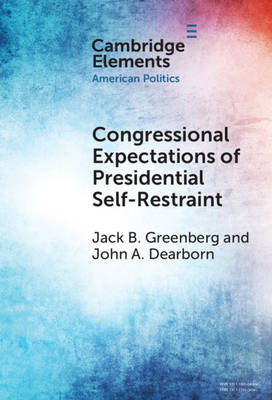
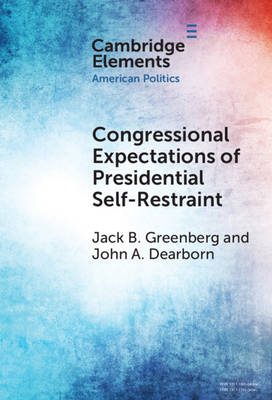
This Element explores how Congress has designed laws reliant on an assumption of presidential self-restraint, an expectation that presidents would respect statutory goals by declining to use their formal powers in ways that were legally permissible but contrary to stated congressional intent. Examining several laws addressing political appointments since the 1970s - statutes involving the FBI director, Office of Personnel Management director, chairman of the Joint Chiefs of Staff, director of national intelligence, Federal Emergency Management Agency administrator, inspectors general, Senior Executive Service, vacancies, Social Security Administration commissioner, and Consumer Financial Protection Bureau director - the authors demonstrate lawmakers' reliance on presidential self-restraint in statutory design and identify a variety of institutional tools used to signal those expectations. Furthermore, the authors identify a developmental dilemma: the combined rise of polarization, presidentialism, and constitutional formalism threatens to leave Congress more dependent on presidential self-restraint, even as that norm's reliability is increasingly questionable.
Specificaties
Betrokkenen
- Auteur(s):
- Uitgeverij:
Inhoud
- Aantal bladzijden:
- 78
- Taal:
- Engels
- Reeks:
Eigenschappen
- Productcode (EAN):
- 9781009568975
- Verschijningsdatum:
- 22/05/2025
- Uitvoering:
- Hardcover
- Formaat:
- Genaaid
- Afmetingen:
- 152 mm x 229 mm
- Gewicht:
- 281 g


Alleen bij Standaard Boekhandel
+ 248 punten op je klantenkaart van Standaard Boekhandel
Cadeau

AANGERADEN


Beoordelingen
We publiceren alleen reviews die voldoen aan de voorwaarden voor reviews. Bekijk onze voorwaarden voor reviews.