


- Afhalen na 1 uur in een winkel met voorraad
- Gratis thuislevering in België vanaf € 30
- Ruim aanbod met 7 miljoen producten
- Afhalen na 1 uur in een winkel met voorraad
- Gratis thuislevering in België vanaf € 30
- Ruim aanbod met 7 miljoen producten





€ 26,45
+ 52 punten
Uitvoering
Omschrijving
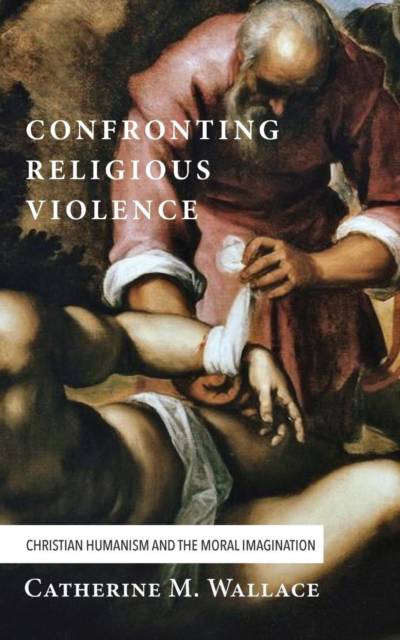
Confronting Religious Violence: Christian Humanism and the Moral Imagination tells the tale of Christian theocracy in the West. Who converted whom was never entirely clear: the empire did stop feeding people to the lions for public entertainment; but Christianity was theologically corrupted by its official role in legitimating empire-as-usual. That theological corruption led to crusades, inquisitions, torture, and so forth. And it leaves us with a major question: is God violent? More dangerously yet: is violence our only option in response to wrongdoing? Are we morally obligated to injure those who have injured others, to kill those who have killed others? If theocracy is a terrible idea, what is the proper relationship between church and state? We can't say that the state is never morally accountable at all. Furthermore: despite constitutional separation of church and state, hard-right Christian fundamentalism continues to play a culturally significant role in advocating military action abroad and supporting state violence at home. There is a lot at stake in reclaiming the systematic nonviolence and moral imagination of Jesus of Nazareth.
Specificaties
Betrokkenen
- Auteur(s):
- Uitgeverij:
Inhoud
- Aantal bladzijden:
- 122
- Taal:
- Engels
- Reeks:
- Reeksnummer:
- nr. 2
Eigenschappen
- Productcode (EAN):
- 9781498228817
- Verschijningsdatum:
- 28/03/2016
- Uitvoering:
- Paperback
- Formaat:
- Trade paperback (VS)
- Afmetingen:
- 137 mm x 213 mm
- Gewicht:
- 158 g


Alleen bij Standaard Boekhandel
+ 52 punten op je klantenkaart van Standaard Boekhandel

Beoordelingen
We publiceren alleen reviews die voldoen aan de voorwaarden voor reviews. Bekijk onze voorwaarden voor reviews.