Standaard Boekhandel gebruikt cookies en gelijkaardige technologieën om de website goed te laten werken en je een betere surfervaring te bezorgen.
Hieronder kan je kiezen welke cookies je wilt inschakelen:
Technische en functionele cookies
Deze cookies zijn essentieel om de website goed te laten functioneren, en laten je toe om bijvoorbeeld in te loggen. Je kan deze cookies niet uitschakelen.
Analytische cookies
Deze cookies verzamelen anonieme informatie over het gebruik van onze website. Op die manier kunnen we de website beter afstemmen op de behoeften van de gebruikers.
Marketingcookies
Deze cookies delen je gedrag op onze website met externe partijen, zodat je op externe platformen relevantere advertenties van Standaard Boekhandel te zien krijgt.
Je cadeautjes zeker op tijd in huis hebben voor de feestdagen? Kom langs in onze winkels en vind het perfecte geschenk!
Afhalen na 1 uur in een winkel met voorraad
Gratis thuislevering in België vanaf € 30
Ruim aanbod met 7 miljoen producten
Je cadeautjes zeker op tijd in huis hebben voor de feestdagen? Kom langs in onze winkels en vind het perfecte geschenk!
Je kan maximaal 250 producten tegelijk aan je winkelmandje toevoegen. Verwijdere enkele producten uit je winkelmandje, of splits je bestelling op in meerdere bestellingen.
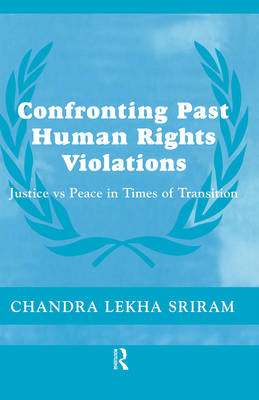
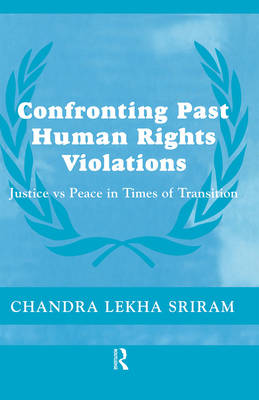
This book examines what makes accountability for previous violations more or less possible for transitional regimes to achieve. It closely examines the other vital goals of such regimes against which accountability is often balanced. The options available are not simply prosecution or pardon, as the most heated polemics of the debate over transitional justice suggest, but a range of options from complete amnesty through truth commissions and lustration or purification to prosecutions. The question, then, is not whether or not accountability can be achieved, but what degree of accountability can be achieved by a given country. The focus of the book is on the politics of transition: what makes accountability more or less feasible and what strategies are deployed by regimes to achieve greater accountability (or alternatively, greater reform). The result is a more nuanced understanding of the different conditions and possibilities that countries face, and the lesson that there is no one-size-fits-all prescription that can be handed to transitional regimes.