


- Afhalen na 1 uur in een winkel met voorraad
- Gratis thuislevering in België vanaf € 30
- Ruim aanbod met 7 miljoen producten
- Afhalen na 1 uur in een winkel met voorraad
- Gratis thuislevering in België vanaf € 30
- Ruim aanbod met 7 miljoen producten





€ 183,45
+ 366 punten
Omschrijving
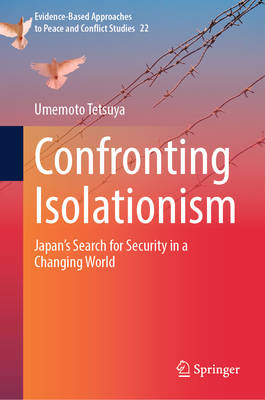
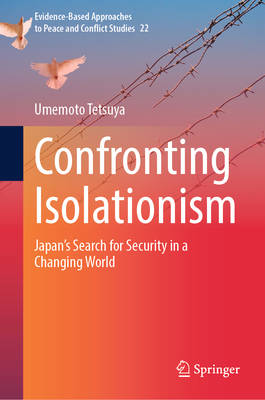
This study aims to deepen the understanding of Japan's evolving national security outlook since the Cold War period to the present. It uniquely attempts to integrate debates on the interpretation of the "Peace" Constitution, viewpoints on nuclear deterrence and disarmament, and attitudes toward the "history issues" into a composite whole and relate it to Tokyo's foreign and defense policies. Following the Cold War, Japanese policymakers sought to reformulate the core tenets of postwar security policy. Their goal was to strengthen the Japan-U.S. alliance by demonstrating a greater willingness to assume military responsibilities. This process required addressing what the book identifies as isolationist tendencies within Japanese society--tendencies that had long affected constitutional interpretations (particularly concerning the right to collective self-defense), nuclear policy debates, and discourse on Japan's prewar history. Today, Japan's security environment appears to be undergoing another fundamental transformation. The rapid rise of China, coupled with a growing trend in the United States--exemplified by President Trump--toward economic protectionism and a diminished emphasis on alliance commitments, poses challenges to U.S. efforts to maintain a favorable balance of power in the Asia-Pacific region. In response, Tokyo may need to seriously explore alternatives to its current national security posture.By examining the successes and limitations of Japan's efforts to overcome long-standing isolationism, this book offers valuable insights into how the country might navigate its future security challenges.
Specificaties
Betrokkenen
- Auteur(s):
- Uitgeverij:
Inhoud
- Aantal bladzijden:
- 253
- Taal:
- Engels
- Reeks:
- Reeksnummer:
- nr. 22
Eigenschappen
- Productcode (EAN):
- 9789819570072
- Verschijningsdatum:
- 17/03/2026
- Uitvoering:
- Hardcover
- Formaat:
- Genaaid
- Afmetingen:
- 156 mm x 234 mm
- Gewicht:
- 553 g


Alleen bij Standaard Boekhandel
+ 366 punten op je klantenkaart van Standaard Boekhandel
Cadeau

AANGERADEN


Beoordelingen
We publiceren alleen reviews die voldoen aan de voorwaarden voor reviews. Bekijk onze voorwaarden voor reviews.