


- Afhalen na 1 uur in een winkel met voorraad
- Gratis thuislevering in België vanaf € 30
- Ruim aanbod met 7 miljoen producten
- Afhalen na 1 uur in een winkel met voorraad
- Gratis thuislevering in België vanaf € 30
- Ruim aanbod met 7 miljoen producten





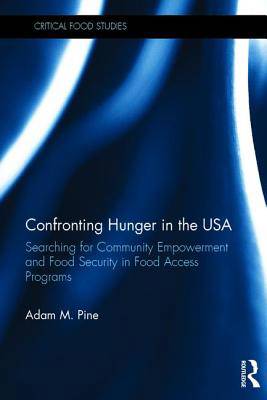
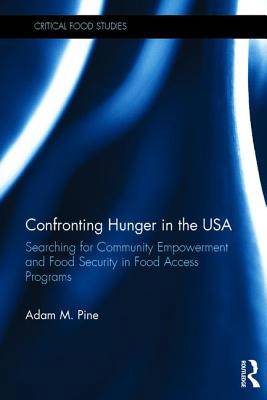
Confronting Hunger in the USA
Searching for Community Empowerment and Food Security in Food Access Programs
Adam M Pine
€ 343,45
+ 686 punten
Omschrijving
Food insecurity in the US is not caused by an inability to produce enough food, but is instead a manifestation of agricultural policies that support the overproduction of commodity crops, and social policies that lower the amount of benefits dispersed to those in need. This book focuses on how four different food-based community programs address both the physical sensation of hunger as well as the political and economic disempowerment that work against the ability of food insecure people to mobilize as a political force. The book argues that food programs do more to create community among their volunteers than among program participants, reinforcing neoliberal understandings of citizenship
Specificaties
Betrokkenen
- Auteur(s):
- Uitgeverij:
Inhoud
- Aantal bladzijden:
- 178
- Taal:
- Engels
- Reeks:
Eigenschappen
- Productcode (EAN):
- 9781472411198
- Verschijningsdatum:
- 7/07/2016
- Uitvoering:
- Hardcover
- Formaat:
- Genaaid
- Afmetingen:
- 156 mm x 234 mm
- Gewicht:
- 430 g


Alleen bij Standaard Boekhandel
+ 686 punten op je klantenkaart van Standaard Boekhandel
Cadeau

AANGERADEN


Beoordelingen
We publiceren alleen reviews die voldoen aan de voorwaarden voor reviews. Bekijk onze voorwaarden voor reviews.