


- Afhalen na 1 uur in een winkel met voorraad
- Gratis thuislevering in België vanaf € 30
- Ruim aanbod met 7 miljoen producten
- Afhalen na 1 uur in een winkel met voorraad
- Gratis thuislevering in België vanaf € 30
- Ruim aanbod met 7 miljoen producten





€ 140,95
+ 281 punten
Eenvoudig bestellen
Veilig betalen


Gratis thuislevering vanaf € 30 (via bpost)
Gratis levering in je Standaard Boekhandel
Omschrijving
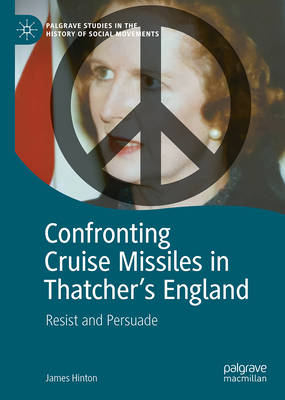
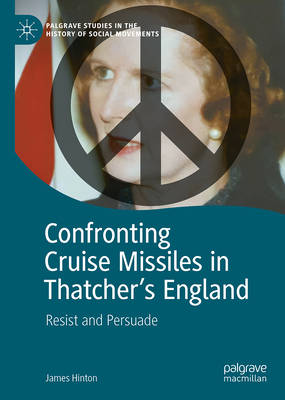
This book provides an insider's account of the dramatic confrontation between the peace movement and the Thatcher Government over the deployment of nuclear-armed cruise missiles in early 1980s Britain. Alongside a critical re-evaluation of the role played by the Greenham Common women's peace camp, the book addresses the tension common to all radical movements between activities designed to persuade the general public, and more confrontational tactics of non-violent resistance.
While the Greenham women were an inspiration to peace activists in Britain and beyond, the impact of their actions on the Campaign for Nuclear Disarmament's (CND) more conventional efforts to win and sustain majority support for the anti-nuclear cause was by no means always positive. Focusing on the often difficult relationship between Greenham and the CND leadership, the author throws new light both on conflicts within CND, and on the evolution of the women's peace camp itself. While questioning some of the myths woven by and around the Greenham women, the book also gives critical attention to CND's problematic attempts to combine conventional campaigning with non-violent direct action. The book offers a meticulously researched account of one of the most important social movements of twentieth-century Britain and an authoritative case study of an issue central to all social movements - how difficult it is to combine a politics of resistance with a politics of persuasion.
Specificaties
Betrokkenen
- Auteur(s):
- Uitgeverij:
Inhoud
- Aantal bladzijden:
- 251
- Taal:
- Engels
- Reeks:
Eigenschappen
- Productcode (EAN):
- 9783032236715
- Verschijningsdatum:
- 1/09/2026
- Uitvoering:
- Hardcover
- Formaat:
- Genaaid
- Afmetingen:
- 148 mm x 210 mm


Alleen bij Standaard Boekhandel
+ 281 punten op je klantenkaart van Standaard Boekhandel
CADEAU

AANGERADEN


Beoordelingen
We publiceren alleen reviews die voldoen aan de voorwaarden voor reviews. Bekijk onze voorwaarden voor reviews.