


- Afhalen na 1 uur in een winkel met voorraad
- Gratis thuislevering in België vanaf € 30
- Ruim aanbod met 7 miljoen producten
- Afhalen na 1 uur in een winkel met voorraad
- Gratis thuislevering in België vanaf € 30
- Ruim aanbod met 7 miljoen producten





€ 343,45
+ 686 punten
Omschrijving
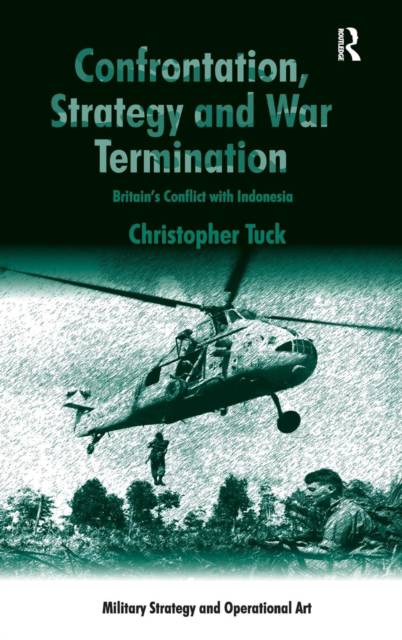
At the heart of this book is the problem of war termination. Britain won an almost unbroken string of tactical military victories during an undeclared war against the Republic of Indonesia in the 1960s, yet it proved difficult to translate this into strategic success. Using conflict termination theories, this book argues that British strategy during Confrontation was both exemplary and flawed, both of which need not be mutually exclusive. The British experience in Indonesia represents an illuminating case study of the difficulties associated with strategy and the successful termination of conflicts. The value of this book lies in two areas: as a contribution to the literature on British counter-insurgency operations and as a contribution to the debates on the problems of war termination in the context of strategic thought.
Specificaties
Betrokkenen
- Auteur(s):
- Uitgeverij:
Inhoud
- Aantal bladzijden:
- 264
- Taal:
- Engels
- Reeks:
Eigenschappen
- Productcode (EAN):
- 9781409446309
- Verschijningsdatum:
- 18/02/2013
- Uitvoering:
- Hardcover
- Formaat:
- Genaaid
- Afmetingen:
- 156 mm x 234 mm
- Gewicht:
- 548 g


Alleen bij Standaard Boekhandel
+ 686 punten op je klantenkaart van Standaard Boekhandel
CADEAU

AANGERADEN


Beoordelingen
We publiceren alleen reviews die voldoen aan de voorwaarden voor reviews. Bekijk onze voorwaarden voor reviews.