


- Afhalen na 1 uur in een winkel met voorraad
- Gratis thuislevering in België vanaf € 30
- Ruim aanbod met 7 miljoen producten
- Afhalen na 1 uur in een winkel met voorraad
- Gratis thuislevering in België vanaf € 30
- Ruim aanbod met 7 miljoen producten





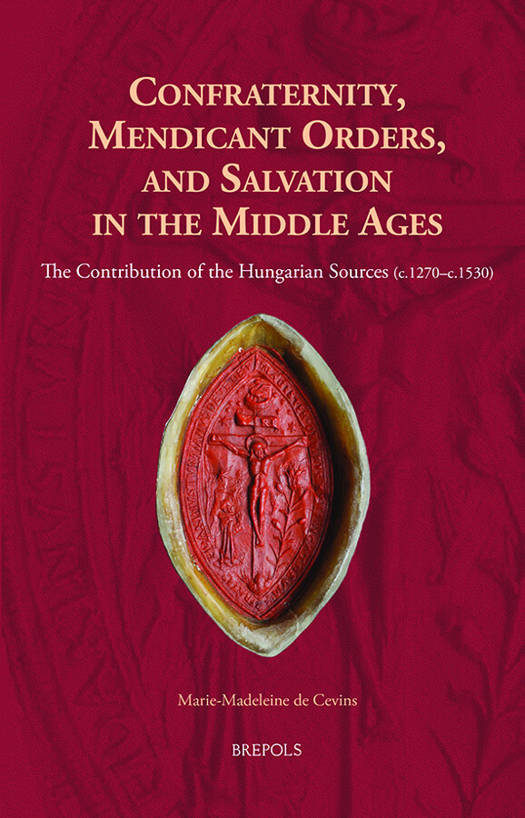
Confraternity, Mendicant Orders, and Salvation in the Middle Ages
The Contribution of the Hungarian Sources (C.1270-C.1530)
Marie-Madeleine de Cevins
€ 116,60
+ 233 punten
Omschrijving
By the late Middle Ages, mendicant spiritual confraternities had developed a bad reputation. Their spiritual status was ill-identified: somewhere between requests for intercession, necrological commemoration, and pious associations. In the hands of the mendicants, they seemed to resemble what indulgences had become in the hands of the bishops and the papacy: a bait handed out to extort funds from the faithful while offering an apparently immediate access to Paradise. Thus, like indulgences, they seem to have been gradually emptied of their substance and denounced (even before Luther) as glaring evidence of the corruption of the Roman Church. Much recent scholarship has followed this negative portrait of spiritual confraternities--unless it has conflated them with other non-spiritual confraternities, or indeed ignored them altogether. This volume draws on the abundant number of letters of confraternity available from Hungarian sources in order to provide a more nuanced picture of mendicant spiritual confraternities. It sheds new light on the links between the mendicants and their supports among the laity, and emphasises the broader significance of the confraternity movement in late medieval piety in Central Europe and beyond.
Specificaties
Betrokkenen
- Auteur(s):
- Uitgeverij:
Inhoud
- Aantal bladzijden:
- 365
- Taal:
- Engels
- Reeks:
- Reeksnummer:
- nr. 23
Eigenschappen
- Productcode (EAN):
- 9782503578712
- Verschijningsdatum:
- 30/01/2019
- Uitvoering:
- Hardcover
- Formaat:
- Genaaid
- Afmetingen:
- 163 mm x 236 mm
- Gewicht:
- 771 g


Alleen bij Standaard Boekhandel
+ 233 punten op je klantenkaart van Standaard Boekhandel
Cadeau

AANGERADEN


Beoordelingen
We publiceren alleen reviews die voldoen aan de voorwaarden voor reviews. Bekijk onze voorwaarden voor reviews.