


- Afhalen na 1 uur in een winkel met voorraad
- Gratis thuislevering in België vanaf € 30
- Ruim aanbod met 7 miljoen producten
- Afhalen na 1 uur in een winkel met voorraad
- Gratis thuislevering in België vanaf € 30
- Ruim aanbod met 7 miljoen producten





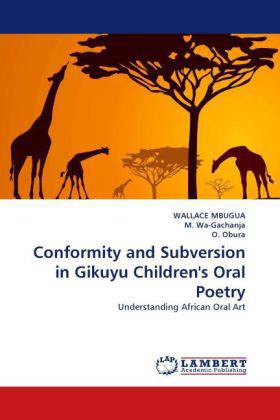
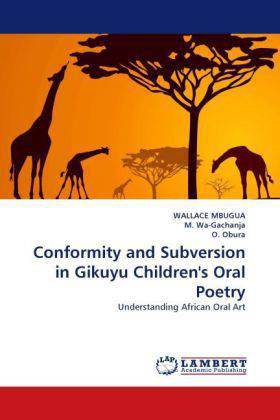
Conformity and Subversion in Gikuyu Children's Oral Poetry
Understanding African Oral Art
Wallace Mbugua, M. Wa-Gachanja, O. Obura
Paperback | Engels
€ 58,45
+ 116 punten
Omschrijving
Children's oral poetry is an important genre in the way it uses verse to inculcate moral values and condition the child's mind to conform to social expectations. It is potent in lodging in the child's memory social lessons through stylistic presentation. It is not only a pedagogical tool but also a commentary on the society from which it emerges. While one would expect the poetry to make the children conform to social norms designed by adults, the poems stage stylistic, thematic and performative moments of subversion against certain values embraced by the privileged especially adults. Children are not passive recipients of the message, but are active participants in the creation of an ideal society. Looking at conception, delivery and reception, the book analyses the tension between conformity and subversion engendered in the poetry. Most studies of children's literature seem to see children as passive objects that need to be moulded into whole subjects through literature. This text analyses how conflicting issues are reconciled into an aesthetic and thematic unity. It portrays how oral poetry expresses gender, philosophical and moral consciousness.
Specificaties
Betrokkenen
- Auteur(s):
- Uitgeverij:
Inhoud
- Aantal bladzijden:
- 156
- Taal:
- Engels
Eigenschappen
- Productcode (EAN):
- 9783843356053
- Verschijningsdatum:
- 15/11/2010
- Uitvoering:
- Paperback
- Afmetingen:
- 152 mm x 229 mm
- Gewicht:
- 236 g


Alleen bij Standaard Boekhandel
+ 116 punten op je klantenkaart van Standaard Boekhandel
Cadeau

AANGERADEN


Beoordelingen
We publiceren alleen reviews die voldoen aan de voorwaarden voor reviews. Bekijk onze voorwaarden voor reviews.