


- Afhalen na 1 uur in een winkel met voorraad
- Gratis thuislevering in België vanaf € 30
- Ruim aanbod met 7 miljoen producten
- Afhalen na 1 uur in een winkel met voorraad
- Gratis thuislevering in België vanaf € 30
- Ruim aanbod met 7 miljoen producten





€ 296,95
+ 593 punten
Omschrijving
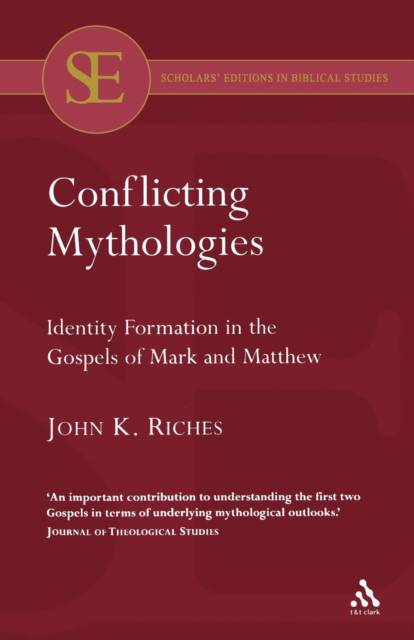
A cultural and anthropological interpretation of Mark and Matthew which examines their contribution to the formation of early Christian identity, world-view and ethos.
John Riches studies the notions of sacred space and ethnicity in the Gospel narratives. He shows how early Christian group identity emerged through a dynamic process of reshaping traditional Jewish symbols and motifs associated with descent, kinship and territory. Ideas about descent from Abraham and the return from exile to Mount Zion are interwoven into early Christian traditions about Jesus and in the process substantially reshaped to produce different senses of identity. At the same time, he argues, the Evangelists were attempting to set forth a view of the world in a dialogue with the two opposing cosmologies current in Jewish culture of the time: one, cosmic dualist, the other, forensic. Riches shows how these two very different accounts of the irigin and final overcoming of evil both inform Mark and Latthew's narratives and contribute to the richness and ambiguity of the texts and of the communities which sprang up around them.Specificaties
Betrokkenen
- Auteur(s):
- Uitgeverij:
Inhoud
- Aantal bladzijden:
- 384
- Taal:
- Engels
- Reeks:
Eigenschappen
- Productcode (EAN):
- 9780567042712
- Verschijningsdatum:
- 23/06/2006
- Uitvoering:
- Paperback
- Formaat:
- Trade paperback (VS)
- Afmetingen:
- 136 mm x 212 mm
- Gewicht:
- 462 g


Alleen bij Standaard Boekhandel
+ 593 punten op je klantenkaart van Standaard Boekhandel
Cadeau

AANGERADEN


Beoordelingen
We publiceren alleen reviews die voldoen aan de voorwaarden voor reviews. Bekijk onze voorwaarden voor reviews.