


- Afhalen na 1 uur in een winkel met voorraad
- Gratis thuislevering in België vanaf € 30
- Ruim aanbod met 7 miljoen producten
- Afhalen na 1 uur in een winkel met voorraad
- Gratis thuislevering in België vanaf € 30
- Ruim aanbod met 7 miljoen producten





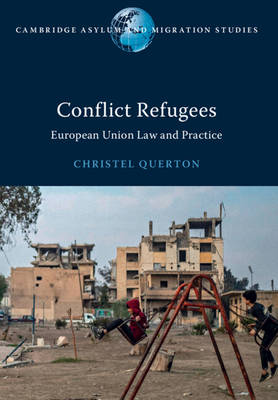
Omschrijving
Based on a systematic and empirical comparative study of six European Union countries, Christel Querton explores judicial decision-making in the context of persons fleeing armed conflicts in the EU. Addressing and redressing misconceptions about the relevance of the Refugee Convention, this book demonstrates how appellate authorities across the EU approach situations of armed conflict predominantly through outdated understandings of warfare and territoriality. Thus, they apply a higher standard of proof than is warranted by international refugee law. Adopting a gender perspective, Querton also shows how appellate authorities fail to acknowledge the gender-differentiated impact of armed conflicts. Drawing from gender and security studies, this book proposes an original conceptual framework which, supported by existing international legal standards, reframes the definition of 'refugee' and better reflects the reality of violence in modern-day conflicts. In doing so, it re-asserts the Refugee Convention as the cornerstone of international protection.
Specificaties
Betrokkenen
- Auteur(s):
- Uitgeverij:
Inhoud
- Aantal bladzijden:
- 186
- Taal:
- Engels
- Reeks:
Eigenschappen
- Productcode (EAN):
- 9781009359405
- Verschijningsdatum:
- 10/08/2023
- Uitvoering:
- Paperback
- Formaat:
- Trade paperback (VS)
- Afmetingen:
- 170 mm x 244 mm
- Gewicht:
- 303 g


Alleen bij Standaard Boekhandel
+ 89 punten op je klantenkaart van Standaard Boekhandel
Cadeau

AANGERADEN


Beoordelingen
We publiceren alleen reviews die voldoen aan de voorwaarden voor reviews. Bekijk onze voorwaarden voor reviews.