


- Afhalen na 1 uur in een winkel met voorraad
- Gratis thuislevering in België vanaf € 30
- Ruim aanbod met 7 miljoen producten
- Afhalen na 1 uur in een winkel met voorraad
- Gratis thuislevering in België vanaf € 30
- Ruim aanbod met 7 miljoen producten





€ 129,95
+ 259 punten
Uitvoering
Omschrijving
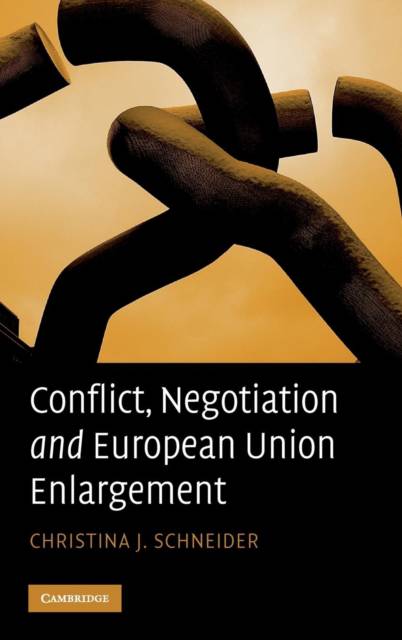
Each wave of expansion of the European Union has led to political tensions and conflict. Existing members fear their membership privileges will diminish and candidates are loath to concede the expected benefits of membership. Despite these conflicts, enlargement has always succeeded - so why does the EU continue to admit new states even though current members might lose from their accession? Combining political economy logic with statistical and case study analyses, Christina J. Schneider argues that the dominant theories of EU enlargement ignore how EU members and applicant states negotiate the distribution of enlargement benefits and costs. She explains that EU enlargement happens despite distributional conflicts if the overall gains of enlargement are redistributed from the relative winners among existing members and applicants to the relative losers. If the overall gains from enlargement are sufficiently great, a redistribution of these gains will compensate losers, making enlargement attractive for all states.
Specificaties
Betrokkenen
- Auteur(s):
- Uitgeverij:
Inhoud
- Aantal bladzijden:
- 228
- Taal:
- Engels
Eigenschappen
- Productcode (EAN):
- 9780521514811
- Verschijningsdatum:
- 11/12/2008
- Uitvoering:
- Hardcover
- Formaat:
- Genaaid
- Afmetingen:
- 152 mm x 229 mm
- Gewicht:
- 476 g



Alleen bij Standaard Boekhandel
+ 259 punten op je klantenkaart van Standaard Boekhandel

Beoordelingen
We publiceren alleen reviews die voldoen aan de voorwaarden voor reviews. Bekijk onze voorwaarden voor reviews.